A first aid kit intended as a gift usually sits between practicality and presentation. It is not treated the same way as a clinical medical set, yet it still needs to hold basic readiness for minor situations. Many end up in office drawers, travel bags, or storage compartments in vehicles, where they are expected to be simple to reach and straightforward to use.
For Gift First Aid Kit Manufacturers, the work is less about adding complexity and more about keeping the structure clear enough for different users while still allowing flexibility in packaging and presentation.
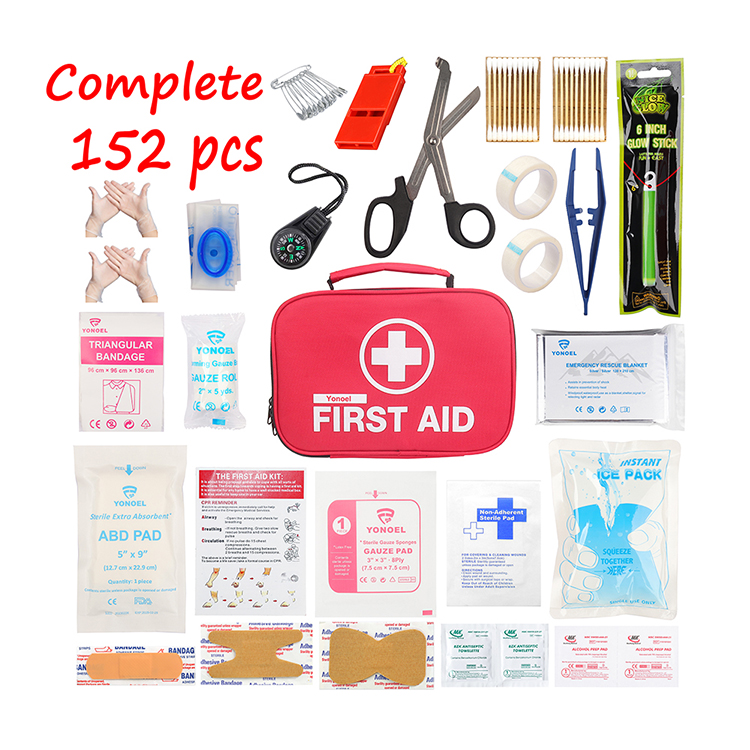
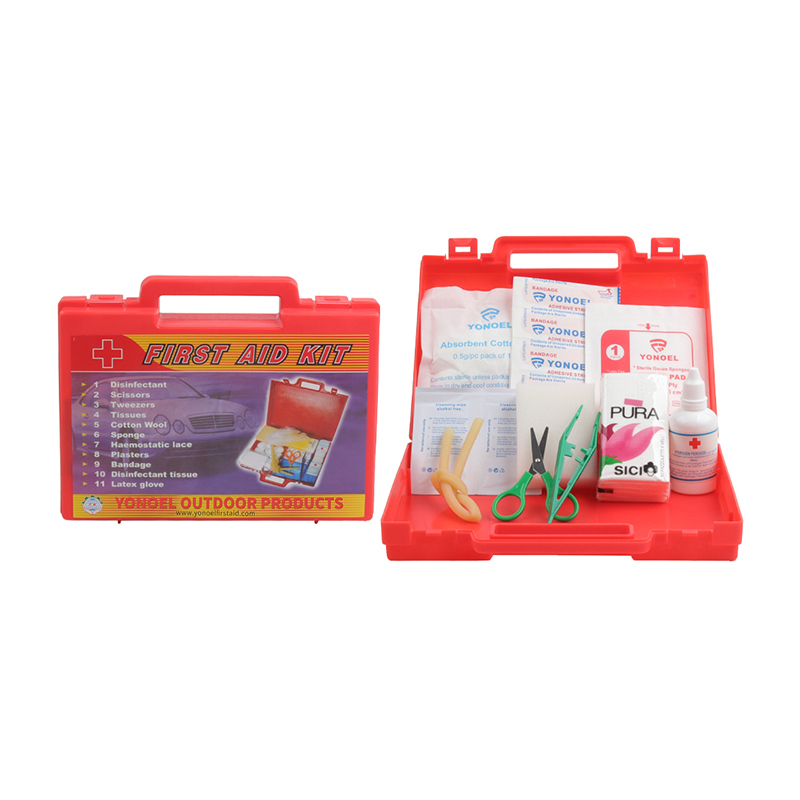
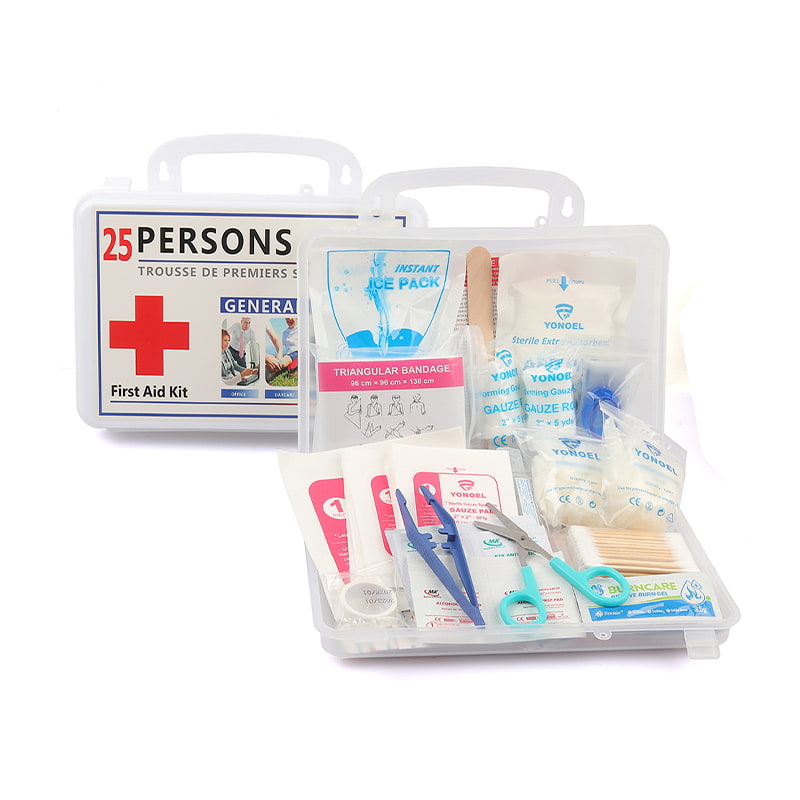
Most kits in this category contain familiar small items such as adhesive dressings, cleaning wipes, and basic protective materials. What varies is not the concept of the contents, but how they are arranged and accessed.
In office settings, compact storage is usually preferred, where the kit stays out of the way until needed. In travel situations, the focus shifts slightly toward resistance to movement and easy portability. Outdoor use tends to place more attention on packaging strength and how well the kit holds its shape under repeated handling.
The internal structure is often divided into simple sections. This avoids confusion during use and reduces the time spent searching for specific items.
Customization in this field is often subtle. The internal function tends to remain stable, while the external appearance changes depending on how the kit will be distributed.
Some organizations prefer minimal visual changes, while others adjust packaging style to align with specific communication themes or distribution events. The customization is usually focused on presentation rather than altering the medical purpose of the kit.
Common adjustment areas include:
Gift First Aid Kit Manufacturers typically work within these parameters, focusing on adaptation rather than redesign.
The material used for the outer layer changes how the kit behaves in daily use. Even when the contents remain identical, the feel of the product can shift depending on whether the structure is soft, semi-rigid, or hard-shelled.
Soft materials allow easier storage and flexibility. Harder structures provide shape stability and better protection during transport. Semi-rigid options sit between these two, depending on the intended environment.
| Material type | Main characteristic | Common usage context |
|---|---|---|
| Soft fabric structure | Flexible and lightweight handling | Office or light travel use |
| Semi-rigid structure | Balanced shape and portability | General everyday use |
| Hard shell structure | Strong shape retention | Transport or outdoor placement |
The selection usually depends on where the kit will be kept rather than what is inside it.
Gift-style first aid kits appear across different types of organizations, often linked to safety awareness or employee support initiatives. They are not limited to any single sector and tend to adapt based on how the organization operates.
Common usage environments include office-based companies, travel-related services, educational settings, and operational workplaces where mobility is part of daily work.
The purpose is not always identical. In some cases, it is part of internal support. In others, it is included in distribution programs or onboarding materials. The same product can serve slightly different roles depending on context.
| Usage environment | Typical placement | Main intention |
|---|---|---|
| Office setting | Desk or storage drawer | Basic readiness support |
| Travel services | Bags or kits for customers | Convenience during movement |
| Educational use | Group distribution kits | Awareness and preparedness |
| Field operations | Portable equipment sets | Quick access during activity |
For Gift First Aid Kit Manufacturers, these differences usually lead to adjustments in packaging size and internal organization rather than changes in the core idea of the kit.
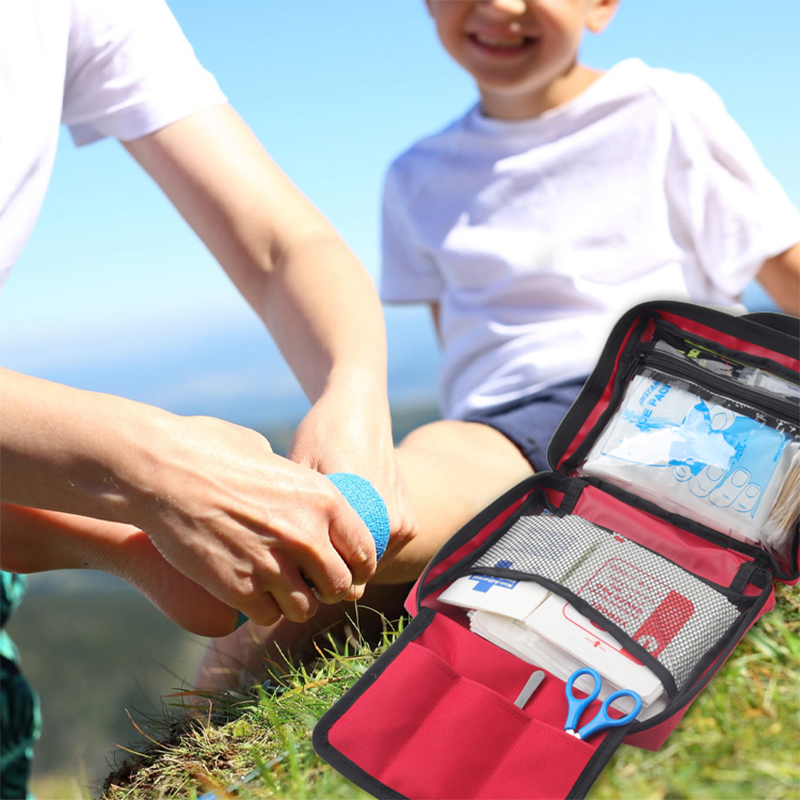
Custom orders usually start with a simple question: where will the kit be used, and how should it feel in hand. Some clients care more about compact storage, while others want a clearer visual identity on the outside. The workflow has to leave room for both.
| Stage | What it usually covers | Why it matters |
|---|---|---|
| Request review | Checking layout, size, and use case | Keeps the order aligned with the client’s needs |
| Component selection | Choosing internal items and outer materials | Helps the kit stay practical and consistent |
| Sample adjustment | Revising details before full production | Reduces changes later in the process |
| Assembly planning | Organizing packing and grouping steps | Supports smoother output |
| Final packing | Preparing the kit for shipment or distribution | Keeps presentation steady |
In this kind of work, flexibility matters more than decoration. One client may ask for a cleaner exterior, another may care about how quickly the contents can be arranged, and another may focus on how the kit fits into a broader gift set. Gift First Aid Kit Manufacturers often respond by keeping the base structure stable while shifting the presentation and internal layout around the same core idea.
Quality control is usually less visible than design, but it shapes how the product feels once it reaches the user. A small issue in closure, stitching, packaging fit, or internal placement can change the overall impression quite a bit.
The checks usually happen at several points rather than only at the end. That approach helps catch problems before they spread across a larger batch. It also makes it easier to keep the final kits aligned with the approved sample.
Common control points may include:
The goal is not to make every unit look identical in a rigid way. The goal is steadiness. Users expect the kit to open properly, hold its contents, and remain organized enough to use without confusion. For Gift First Aid Kit Manufacturers, that kind of consistency often matters more than visual complexity.
Compliance affects decisions long before shipment. It can shape what goes into the kit, how it is labeled, and how the packaging is arranged. Even when the product is intended as a gift item, it still needs to be handled carefully in relation to market expectations.
This usually means the design process has to stay attentive to content limits, labeling clarity, and packaging language. A kit prepared for one market may need a slightly different structure from a kit prepared for another. That does not always require major changes, but it does require attention to detail.
Some of the more practical considerations include:
For buyers, this can influence how they choose a supplier. For producers, it means planning cannot begin only at the packing stage. It has to be part of the product discussion from the start, especially when Gift First Aid Kit Manufacturers are asked to support different regions or business channels.
The direction of this category is still tied to simplicity, but the way that simplicity is presented keeps changing. Many buyers now expect the product to feel neat, portable, and easy to store without looking overly technical.
A few noticeable shifts are appearing in both product and packaging choices:
These changes do not replace the basic function of the kit. They simply adjust how the kit fits into daily life. In some cases, the packaging is becoming more understated. In others, the internal layout is being refined so the kit feels easier to handle when opened.
That kind of change matters because the product often sits in a visible place for a long time before it is used. A neat structure, practical format, and calm visual style can shape the user’s view before the contents are ever touched. That is part of the work handled by Dongyang City Yonoel Outdoor Products Co., Ltd.
No. 52, Hulian West Street, Jiangbei Street, Dongyang City, Jinhua City, Zhejiang Province, China
Quick Links
Product Center
Contact Us
 PRIVACY

 English
 Deutsch
 Français
 русский
 Español