Outdoors has a way of changing its tone without warning. A path that felt simple a while ago can start to feel less certain once the light shifts or the wind picks up. That is usually the point where people stop and check what they have, what still works, and what needs to be handled first.
An Outdoor Survival Kit is useful in that kind of moment because it gives a few steady options when the surroundings are no longer cooperating. It does not need to do everything. It only needs to help keep things manageable long enough for the next decision to make sense.
For short hikes, carrying less often feels right at the start. The trail may look easy, the weather may seem calm, and the return may feel close enough. Still, outdoor conditions have a habit of changing in small ways that are easy to overlook.
A compact setup usually works better here. The idea is to keep only the items that can cover the kinds of problems people actually run into on shorter routes.
Typical components often include:
These are not everyday tools in the usual sense. They tend to stay untouched until something interrupts the rhythm of the walk. That is often when their value becomes clear.
A change in outdoor conditions does not always arrive in a dramatic way. Sometimes it is just a little less daylight than expected, or a bit more wind than feels comfortable. Small shifts like that can throw off pace and judgment more than people expect.
The kit helps by keeping a few responses close at hand. That may mean a light source, something for warmth, or tools that help maintain direction when the route stops feeling obvious.
Safety in this setting is less about control and more about staying calm enough to keep moving with some confidence.
Different environments ask for different priorities. Cold weather slows hands and drains comfort. Wet weather makes simple tasks more annoying than they should be. Mixed terrain pulls attention in several directions at once.
A better setup usually comes from adjusting focus rather than rebuilding the whole thing.
| Environment Type | What Usually Becomes Harder | What to Pay Attention To |
|---|---|---|
| Cold conditions | Keeping warm and working with cold hands | Heat support and easy access |
| Wet conditions | Keeping items dry and using them cleanly | Storage protection and moisture control |
| Mixed terrain | Staying oriented while moving through uneven ground | Navigation and sturdy handling |
A setup that handles these conditions well tends to be organized around access and order. Where an item sits, how fast it can be reached, and how easily it holds up in use often matter more than adding extra pieces.
Water usually becomes a priority sooner than people expect. Even when there is water nearby, it is not always something that can be used right away.
A good setup keeps the process simple. Water is gathered, treated, and then stored in a way that keeps it separate from untreated sources. That is a small routine, but it matters when the day starts to feel longer than planned.
The process often looks like this:
That sequence is simple, but simplicity is often what makes it practical outdoors. When conditions are changing, a clear routine helps more than a complicated one.
Fire is one of those things that feels simple until the conditions are not in your favor. Dry weather makes it easy to take for granted, but moisture, wind, or cold air can change how quickly it comes together.
Different methods behave differently depending on the environment, so it is less about one fixed approach and more about having a few options that respond well under different conditions.
Common approaches often include:
In real use, people usually try one method, then shift to another if conditions are not cooperating. That adjustment is normal rather than unusual outdoors.
Outdoors does not treat equipment in a gentle way. A tool that feels reliable at the start of a trip can behave differently after rain, cold air, or repeated handling during movement. That shift is usually not dramatic, but it is enough to change how much people depend on it.
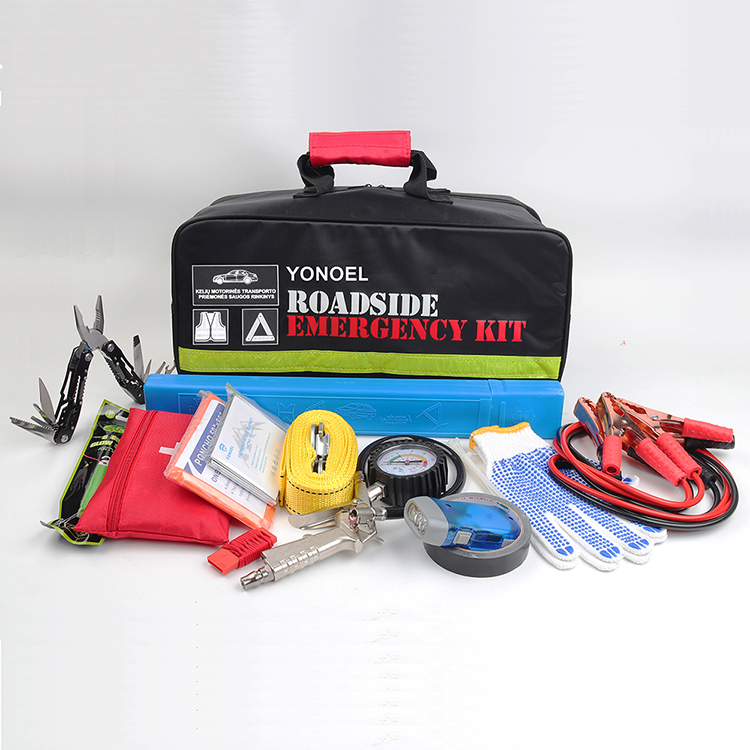
Redundancy in an Outdoor Survival Kit is not about carrying extra copies of everything. It is more about making sure that when one option stops working, another way still exists to handle the same basic need. Fire, light, direction, and simple repair tasks tend to be the areas where this matters most.
In real use, this means there is usually more than one path forward. If one method for starting fire becomes difficult, another approach is available. If a light source becomes unreliable, there is still a way to see or signal. The same idea applies to navigation and small repairs.
The purpose is not to complicate what is carried, but to avoid situations where a single failure removes all options at once.
Electronic navigation tools are convenient, but outdoor environments do not always support them consistently. Batteries can drain faster in cold conditions, signals can become unreliable in certain terrain, and simple exposure can affect performance. When that happens, navigation naturally returns to more basic methods.
An Outdoor Survival Kit supports this transition by keeping orientation tools that do not depend on power or connectivity. These tools work in a more manual way, but they remain usable even when conditions are not stable.
Instead of relying on a single source of direction, navigation becomes a combination of simple references such as compass direction, printed terrain information, and visible environmental markers like ridgelines or paths. Movement decisions are then guided by comparing these references with what is seen in the environment.
In practice, it is less about following a precise system and more about maintaining a consistent sense of direction so that the route does not feel fragmented or unclear.
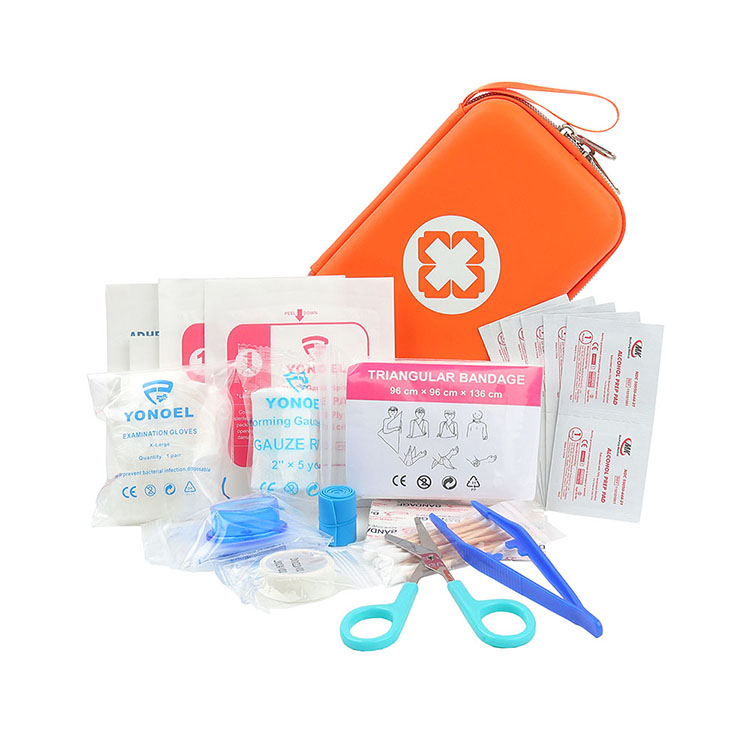
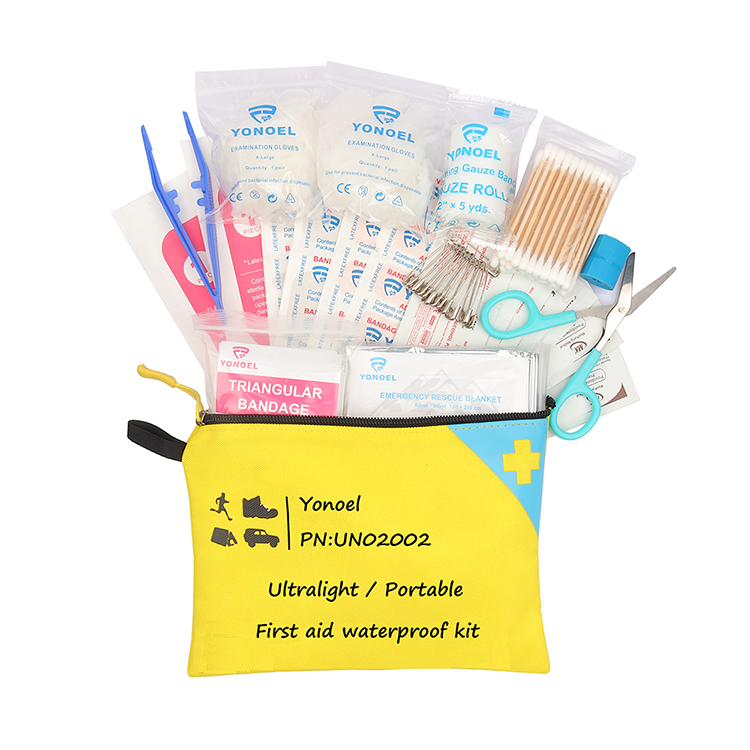
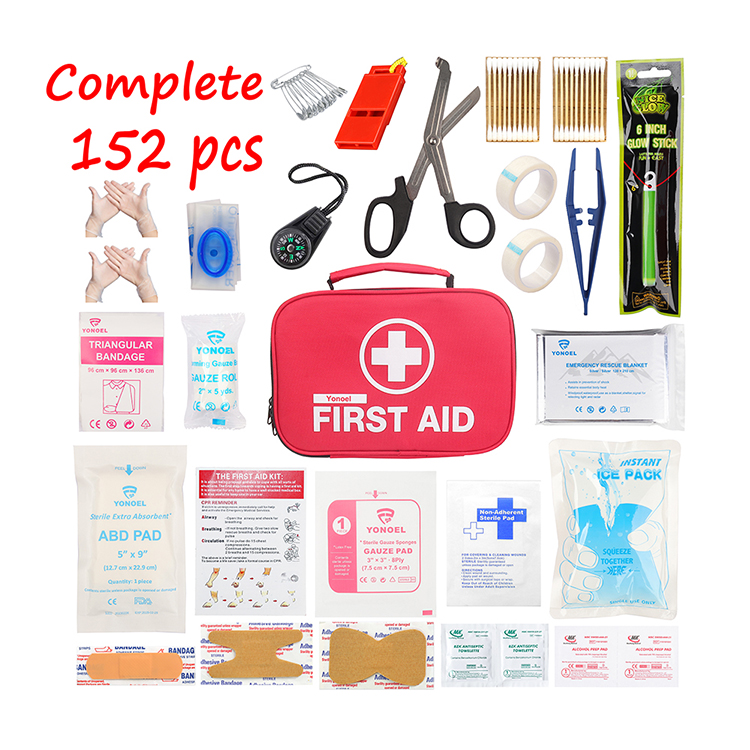
Injury outdoors does not usually happen in controlled conditions. It can occur during movement, while carrying gear, or when footing changes without warning. In those moments, response speed is less about urgency and more about having the right items within reach.
A practical setup usually focuses on keeping basic response tools simple and accessible rather than extensive.
Common elements include:
These tools are not meant to replace medical care. They are used to keep the situation from becoming worse while movement or help is being considered.
When looking across different outdoor situations, the role of an Outdoor Survival Kit is often not tied to a single task, but to small points of support that appear at different moments. It stays in the background until conditions shift, then becomes part of how decisions are made in real time.
Outdoor environments rarely follow a fixed pattern, so having a set of basic, adaptable tools allows movement and planning to remain flexible even when conditions change without notice.
.jpg)
No. 52, Hulian West Street, Jiangbei Street, Dongyang City, Jinhua City, Zhejiang Province, China
Quick Links
Product Center
Contact Us
 PRIVACY

 English
 Deutsch
 Français
 русский
 Español