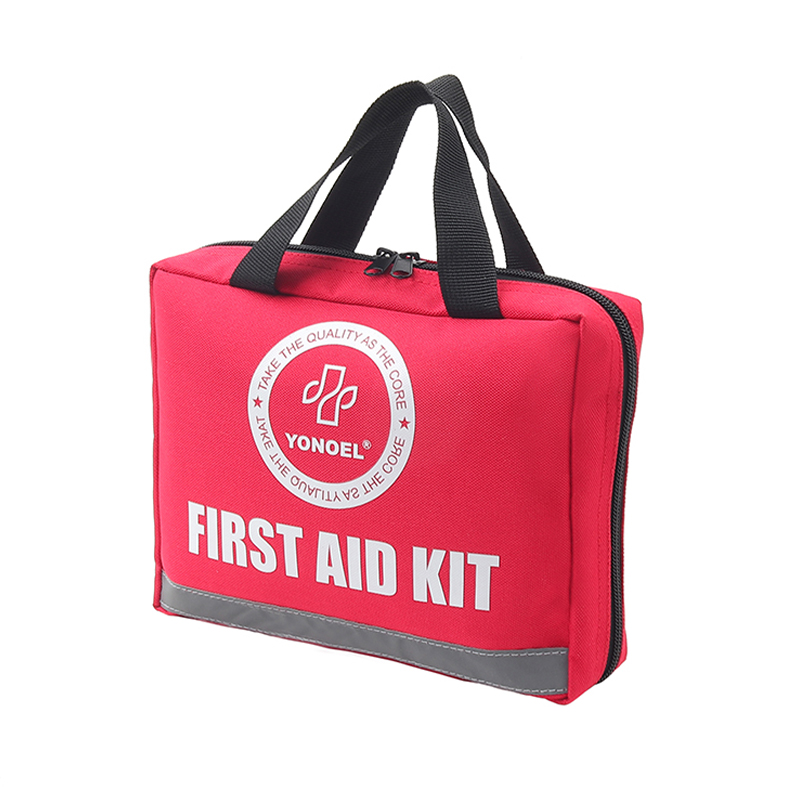
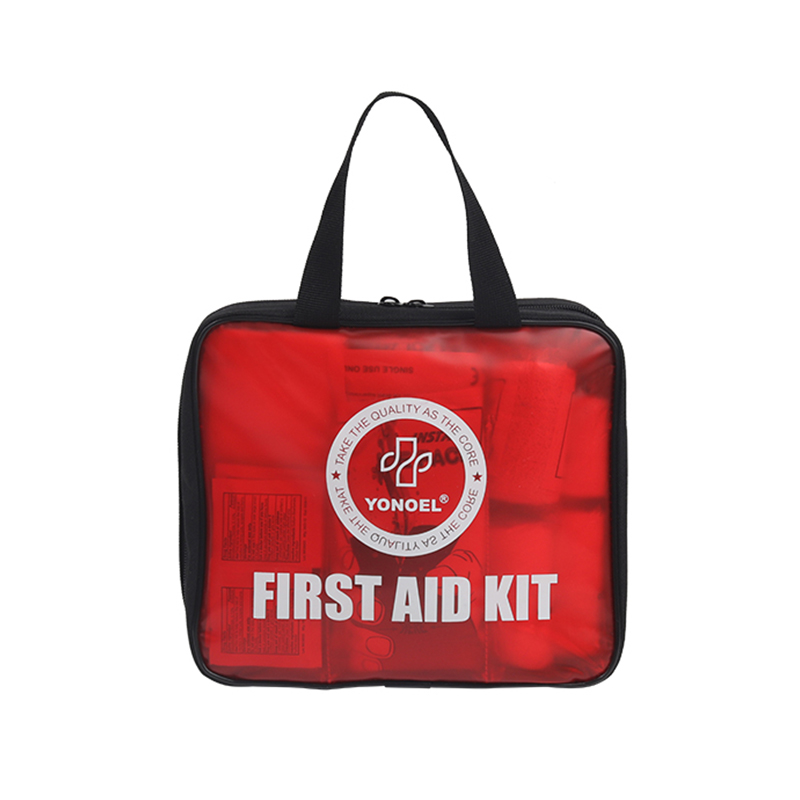
A Din13164 First Aid Kit is commonly placed inside vehicles as part of road safety preparation, especially for passenger cars, commercial fleets, and travel vehicles that spend long hours on the road. While many people think about having it inside the car, fewer actually think about how often it should be checked or what "inspection" really means in daily use.
In real situations, a kit is not something you use every day, so it is easy to forget about it once it is placed in the glove box or storage compartment. However, like any safety-related item, its condition can slowly change over time without being noticed. That is why inspection habits matter more than people usually realize.
A road emergency kit is designed for unexpected moments. That alone makes it different from ordinary items in a vehicle. It is not about frequent use, but about readiness.
Over time, several things can affect the condition of the contents:
None of these happen suddenly. They build up slowly, which is why regular attention becomes important even when the kit seems untouched.
Think of it as a small system that quietly ages in the background.
Before talking about timing, it helps to understand what inspection includes in practical terms.
It is not a complex process. In most cases, it involves checking:
No technical tools are needed. It is more like a quick visual and practical check rather than a detailed evaluation.
There is no single rule that applies to every situation, but there is a general pattern used across road safety practices.
Instead of thinking in strict timing, it is better to think in usage cycles and conditions.
Common inspection habits used in practice
These moments are practical because they naturally align with times when the vehicle itself is already being checked or prepared.
| Situation Type | When to Pay Attention | Reason |
|---|---|---|
| Long trips | Before departure | Ensures readiness during travel |
| Seasonal change | Periodic review | Temperature and humidity effects |
| Fleet use | Routine vehicle checks | Standardized safety consistency |
| After usage | Immediately after use | Replace missing items |
| Storage periods | Occasional check | Prevent unnoticed deterioration |
This kind of structure helps avoid overthinking while still keeping the kit in usable condition.
Even if a kit is never opened, internal conditions can still shift slowly.
Packaging condition
Containers and internal packaging can loosen slightly due to vibration. This may not seem important at first, but it can affect how quickly items are accessed when needed.
Adhesive performance
Some items rely on adhesion to stay effective. Over time, environmental exposure can influence how they behave.
Material freshness
Certain materials may slowly lose their original condition when exposed to temperature fluctuations inside vehicles.
Missing items
This is often overlooked. If a kit is opened once, items may be used and not replaced immediately.
Unlike storage in a controlled indoor space, vehicles experience constant change.
Some common factors include:
These conditions do not destroy contents quickly, but they gradually influence stability. That is why inspection is more about awareness than urgency.
Many people avoid checking safety kits because they assume it requires time or technical knowledge. In reality, it can be very simple.
A practical approach often includes:
This can be done in a short moment during routine vehicle care.
Even responsible vehicle owners sometimes miss small details.
Assuming "unused means fine"
A kit that has not been used may still have internal changes that are not visible from the outside.
Not replacing used items
After a small use, people sometimes forget to refill the kit.
Storing in difficult-to-reach places
If access is inconvenient, inspection is less likely to happen naturally.
Ignoring environmental impact
Heat and humidity inside vehicles are often underestimated.
For fleet operators, consistency is usually more important than individual habits.
In group vehicle systems, inspection is often tied to maintenance schedules. This helps ensure that all vehicles maintain a similar safety condition.
Common practices include:
This approach helps avoid uneven conditions across a group of vehicles.
For private drivers, the approach is usually more flexible.
Instead of strict schedules, inspection often happens naturally during:
The key is not frequency alone, but consistency over time.
A useful habit is not about checking constantly. It is about building awareness into existing routines.
A balanced approach often looks like:
This keeps the process simple and sustainable.
Key considerations include:
These factors support users who may not inspect frequently but still need reliability when they do.
Where the kit is placed also influences how often it gets checked.
Common locations include:
More accessible placement usually leads to more frequent natural checks, even without planning.
Different environments can slightly change how often attention is needed.
Hot climates
Higher temperatures inside vehicles may increase the importance of periodic checks.
Cold climates
Cold conditions may affect material flexibility over time.
Humid environments
Moisture exposure can influence packaging condition.
Mixed driving conditions
Frequent changes in environment may require more casual but regular observation.
Instead of following strict timing, some indicators can help guide attention:
These signs often appear naturally during vehicle use.
A practical routine does not need to be complicated. It fits into normal vehicle care habits.
A simple structure might include:
This approach avoids overthinking while maintaining readiness.
Even though inspection feels minor, it helps maintain readiness in unexpected situations.
A kit that is checked occasionally is more likely to be usable when needed. A kit that is ignored for long periods may not perform as expected in small but important details.
It is less about effort and more about consistency.
A vehicle emergency kit does not require constant attention, but it should not be completely forgotten either. The idea is simple: occasional, practical checks based on real usage situations.
Instead of following strict schedules, most people find it more useful to integrate inspection into existing vehicle routines. This keeps the process natural and avoids unnecessary effort.
Over time, this small habit helps ensure that when the kit is needed, it is ready without surprises.
No. 52, Hulian West Street, Jiangbei Street, Dongyang City, Jinhua City, Zhejiang Province, China
Quick Links
Product Center
Contact Us
 PRIVACY

 English
 Deutsch
 Français
 русский
 Español