Wet conditions do not always show themselves in an obvious way. Sometimes it is rain on an open trail, sometimes it is humidity building up inside a vehicle after a long drive, and other times it is just a bag placed on ground that never fully dries. None of these feel dramatic on their own, but they slowly shape the condition of anything stored inside.
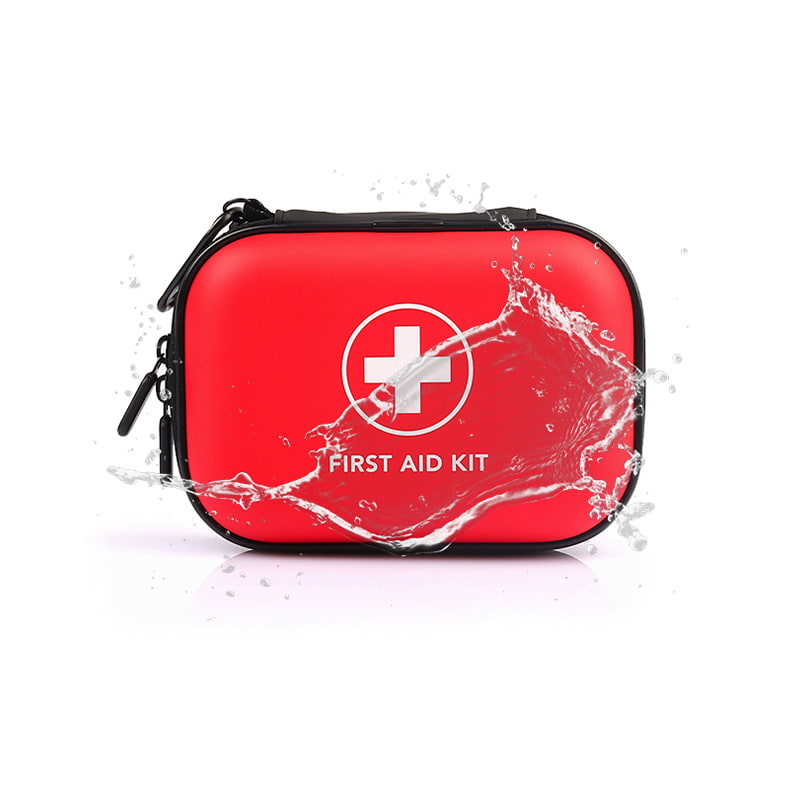
Emergency supplies tend to sit quietly until the moment they are needed. That gap between storage and use is where problems often appear. A Waterproof Medical Kit is usually considered in that space, where the goal is not to change medical items themselves, but to keep them stable while they wait.
People working or spending time near water rarely deal with a single type of moisture. It shifts constantly. One moment it is spray from movement, the next it is damp air that never fully clears, and later it may simply be wet equipment stored next to other gear.
In these environments, storage becomes part of the routine, even if it is not always noticed. A bag placed near a wet surface or carried through repeated exposure to spray does not stay in a neutral state for long. Over time, that is usually when attention turns toward more controlled storage options like a Waterproof Medical Kit.
Some typical situations where this comes into play include:
It is less about extreme conditions and more about repetition. Moisture that appears mild at first can still build up in ways that are not immediately visible.
Reliability in wet surroundings is rarely about one strong feature. It is more about how different parts behave together when conditions are not stable.
A closure that holds during rain may still face challenges when opened repeatedly in damp air. A material that resists splashes might still react differently when left in humidity for long periods. These differences are small on their own, but they matter when combined.
Different wet conditions tend to create different pressures:
| Condition | What usually happens in practice | What the storage has to deal with |
|---|---|---|
| Rain | Sudden short exposure | Fast sealing and closure stability |
| Humid air | Slow and constant exposure | Reduced internal moisture build up |
| Splashing water | Repeated surface contact | Outer layer resistance |
| Wet storage surfaces | Indirect moisture transfer | Bottom and contact protection |
Instead of thinking in terms of a single waterproof level, it is often more practical to think about how often exposure happens and how long it lasts. That usually changes what kind of design feels suitable in daily use.
A Waterproof Medical Kit is typically chosen when users want something that does not rely on perfect conditions around it. The storage itself becomes part of the protection.
Moisture tends to work quietly. It does not always change the appearance of medical supplies right away, which is why it is often overlooked until something is actually needed.
At first, packaging may still look sealed and intact. But repeated exposure to damp air or temperature changes can slowly influence the way materials behave. Adhesive strips may feel slightly different, not fully failing but not quite the same as before. Paper based packaging can also respond to humidity over time, even without direct water contact.
Salt adds another layer that is easy to underestimate. In coastal areas, it does not need to be visible to have an effect. Fine particles carried in the air can settle on surfaces, especially on zippers or edges that are handled often.
Some items that tend to show sensitivity include:
A Waterproof Medical Kit reduces direct exposure, but it does not remove the need for occasional checking. In practice, small habits like opening the kit after wet use or allowing it to air briefly can make a noticeable difference in how supplies age.
Materials used in outdoor storage often need to balance different demands. Flexibility matters because the kit is carried and packed in different ways. Resistance matters because it may be placed on rough or wet surfaces. Ease of cleaning also becomes relevant after repeated use.
Outer surfaces are usually treated in a way that slows down water absorption. This does not mean water is completely blocked in every situation, but it helps reduce how quickly moisture reaches the inside.
Closure systems also vary depending on design intent. Some are built for frequent opening and closing, while others prioritize keeping the inside more isolated even if that makes access slightly more deliberate.
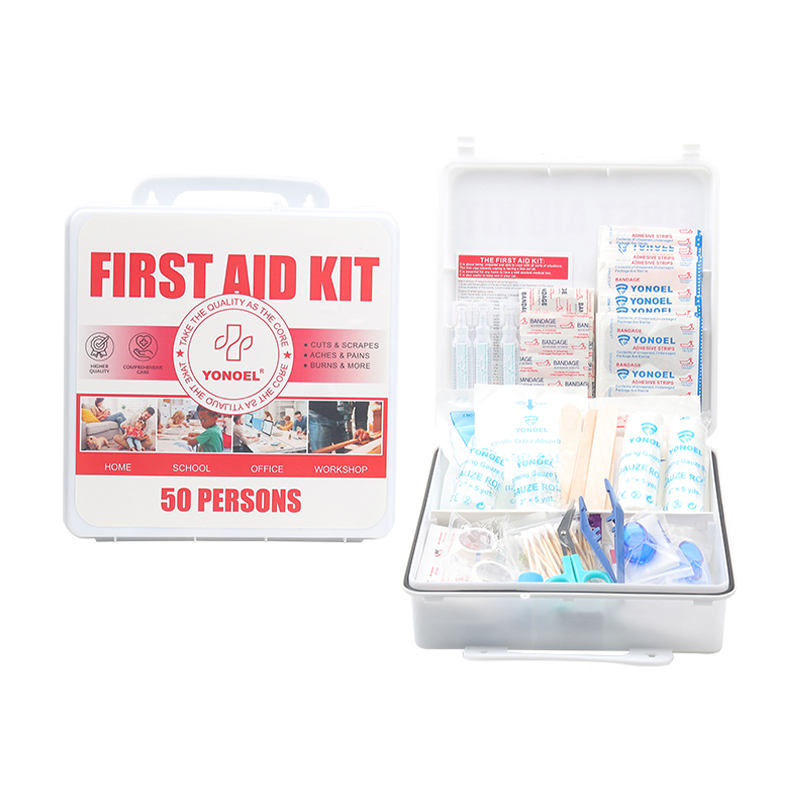
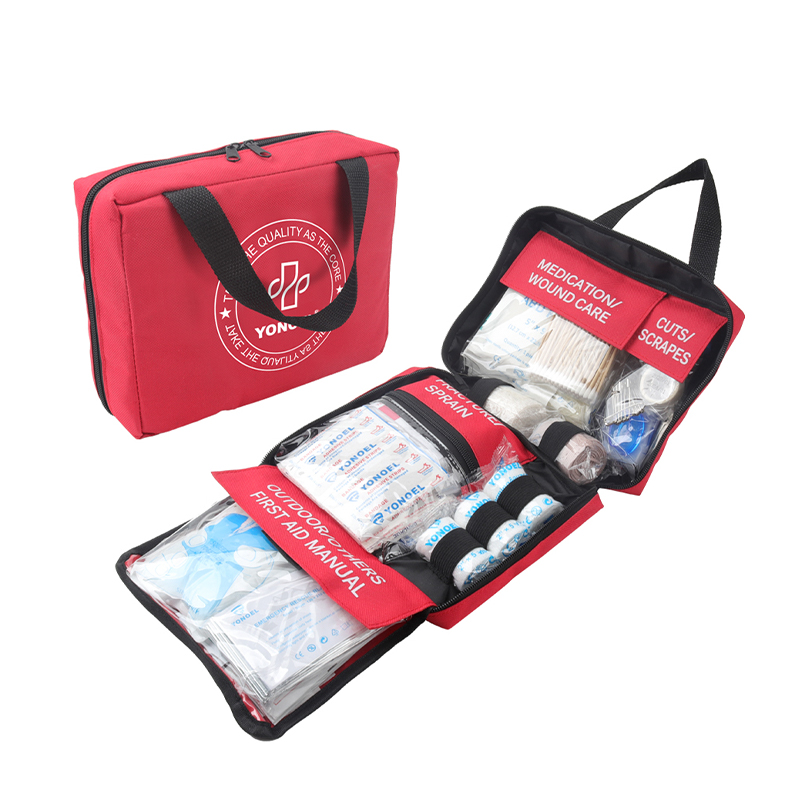
Inside the kit, organization often matters more than people expect. Without separation, items can move around during transport, especially in vehicles or backpacks that shift during travel.
Common internal layouts often include:
When structure and material work together, storage becomes less about reacting to problems and more about avoiding them quietly in the background.
In wet environments, access is often more important than capacity. When hands are cold, surfaces are slippery, or visibility is reduced, even a simple opening can feel slower than expected. That is why design details around access tend to matter more than they appear on paper.
Some kits rely on straightforward openings that can be handled without precise finger movement. Others separate frequently used items closer to the surface so they are not buried under larger supplies. In real use, these differences are often noticed only during stressful moments.
There is also the question of orientation. A kit that can be opened and understood without turning it around multiple times tends to reduce hesitation. Wet conditions rarely allow time for searching.
Typical design choices include:
A Waterproof Medical Kit in this context is less about storage volume and more about how quickly someone can reach what they expect to find.
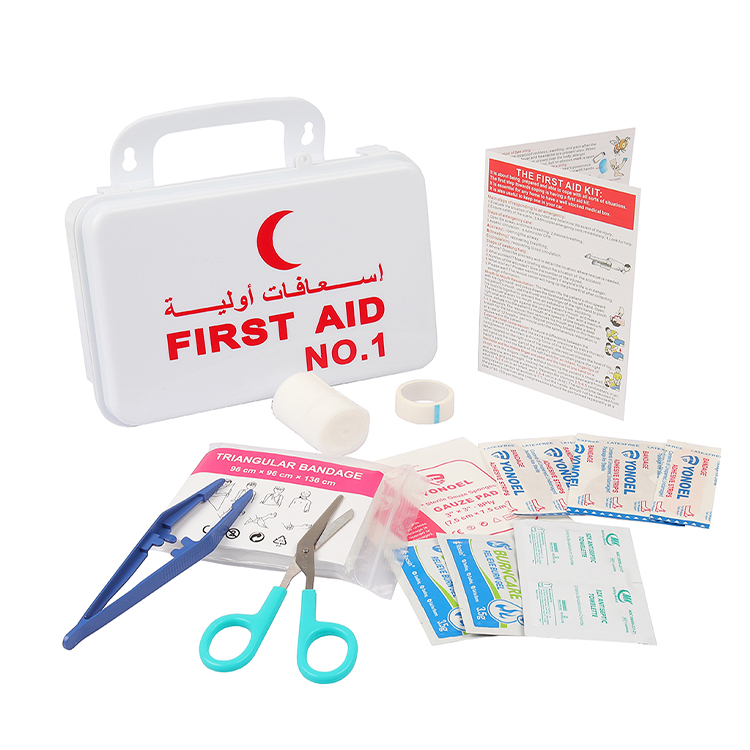
Placement is usually decided before any situation happens, but its importance becomes clear only when movement is restricted or attention is divided. In vehicles, boats, or backpacks, location can change how quickly a kit is reached without needing to think about it.
Some people prefer keeping it near commonly used equipment, while others place it in fixed positions that do not move regardless of travel conditions. Both approaches depend on how predictable the environment is.
In practical terms, placement often follows a simple logic. The kit should not be buried under other items, and it should not require full unpacking of surrounding gear.
Common placement considerations include:
A Waterproof Medical Kit placed in a stable and predictable location tends to reduce hesitation when attention is already focused on the situation itself.
During travel, conditions rarely stay consistent. A dry environment can turn damp within hours, and storage spaces often change between being handled, packed, or left unattended. This shifting environment is where readiness is often tested without notice.
Emergency supplies are usually not checked frequently during a trip. They sit inside bags or compartments while attention moves to navigation, timing, or activity itself. In that sense, protection becomes passive rather than active.
A Waterproof Medical Kit helps maintain a baseline condition for supplies during these transitions. It does not change the need for awareness, but it reduces the effect of environmental fluctuation.
Situations where this becomes noticeable:
Readiness here is not about immediate action but about consistency. Supplies remain closer to their expected condition even when surroundings are not stable.
After outdoor use, a kit often carries small traces of moisture, dust, or temperature change that are not always obvious. These small traces are usually what influence long term condition rather than any single exposure.
Maintenance is often less about complex procedures and more about simple habits repeated over time. Allowing the kit to dry before storage, checking closures for trapped moisture, and ensuring internal compartments are not holding damp air all contribute to keeping it stable.
It is also useful to separate what is reusable from what should be replaced after use, especially for items that were exposed during real situations.
| Maintenance area | What is often overlooked | Practical action after use |
|---|---|---|
| Outer surface | Moisture film after rain or splash | Wipe and air dry before closing |
| Closure system | Small particles or damp buildup | Light cleaning of sealing edges |
| Internal space | Trapped humidity after opening | Brief ventilation before storage |
| Consumable items | Partial exposure during handling | Replace items when packaging is compromised |
A Waterproof Medical Kit benefits most from routine attention rather than occasional deep cleaning. Small, consistent actions tend to prevent gradual decline in storage condition.
No. 52, Hulian West Street, Jiangbei Street, Dongyang City, Jinhua City, Zhejiang Province, China
Quick Links
Product Center
Contact Us
 PRIVACY

 English
 Deutsch
 Français
 русский
 Español