Travel always comes with little surprises—blisters from walking too much, a scraped knee on a hike, or a headache that hits right in the middle of a long flight. Compact gift first aid kits for travel are perfect because they're tiny enough to fit anywhere in your bag and actually get used. They make great gifts for friends who love road trips, family heading on vacation, or anyone who's always on the move. It's a thoughtful way to say “I want you to stay safe and have fun out there.” This article covers what's usually inside these kits, why they're so handy as gifts, how to pick a good one, ways to customize them, packing ideas, and other practical stuff that makes them worth giving (or keeping for yourself).
These little kits are awesome gifts because they solve a problem most travelers forget about until it's too late. People pack outfits, snacks, chargers—but hardly anyone remembers “what if I get hurt?” A compact kit tucked into their luggage is like a quiet reminder: safety matters, even on vacation.
They work for almost anyone: solo backpackers, parents with kids, couples on weekend getaways, or business folks hopping cities. The size is the best part—slips into a daypack, purse, or suitcase side pocket without taking up real space. When they come home, it stays in the bag ready for the next trip.
They fit all kinds of occasions—birthday for your adventure buddy, holiday gift for the family traveler, or a small going-away present for someone moving abroad. Throw in a quick handwritten note (“Hope this keeps you safe—have fun!”) and it feels personal without being over-the-top. People actually keep and reuse them, so your gift sticks around for years of trips.
The biggest win is how little room they take while covering the stuff that actually goes wrong on trips. You can throw one in a backpack or carry-on and forget about it until you need it—no heavy first-aid box dragging you down.
They fix the usual travel annoyances fast: blisters from new walking shoes, bug bites at sunset, a headache from too much sun, or an upset stomach from street food. Quick treatment means you keep your plans instead of spending half a day hunting for a pharmacy in a place where you don't speak the language.
For families, it's peace of mind—kids fall, scrape elbows, get bitten, and you've got what you need right there. In groups, it turns into a shared thing—everyone knows where it is, and it builds that “we've got each other” feeling. Bottom line: the kit lets you handle small problems yourself so the trip stays fun instead of stressful.
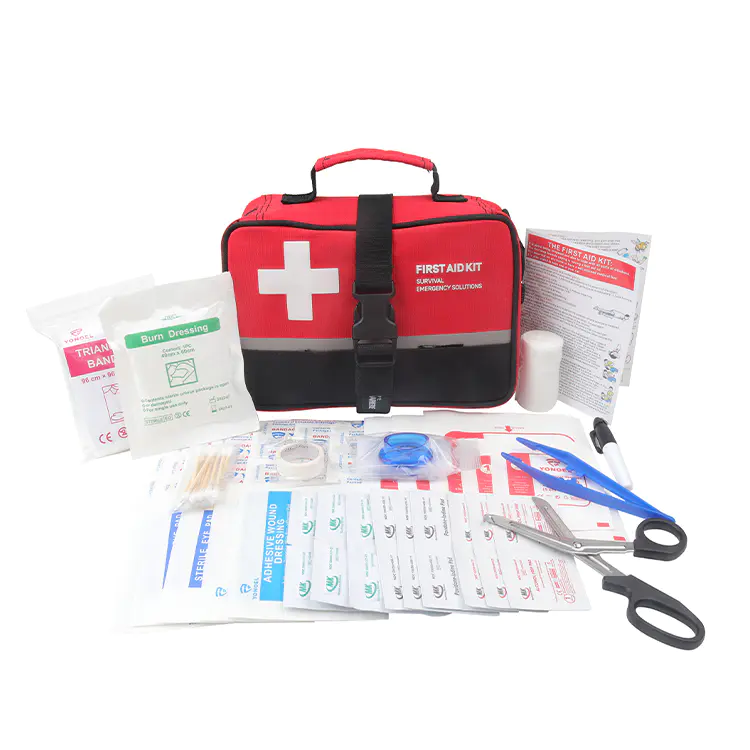
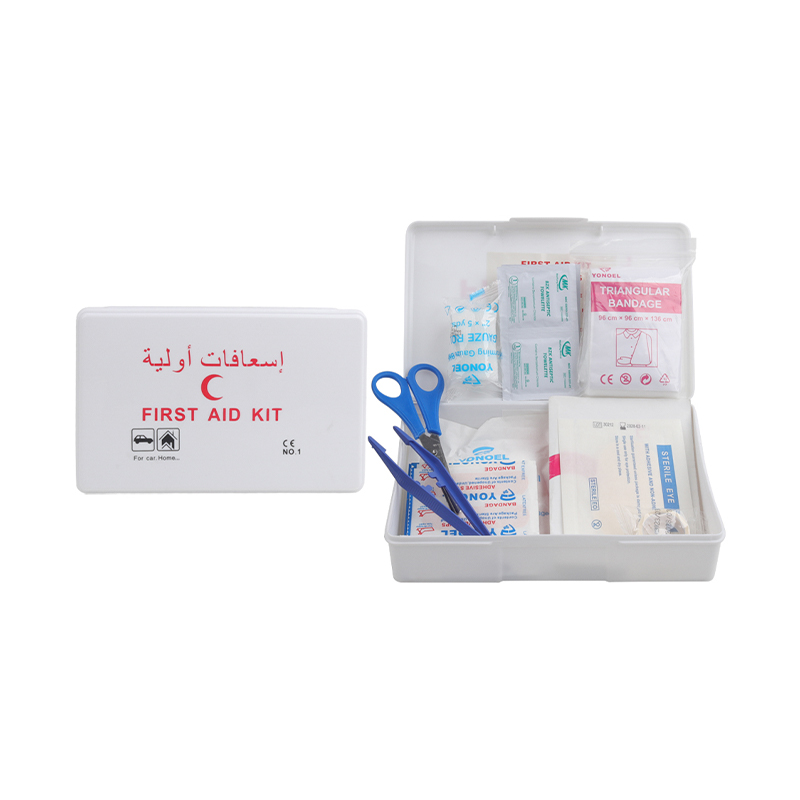
Most of these kits keep it simple and focused on what travelers really use. You'll find adhesive bandages in different sizes—great for covering blisters, small cuts, or scrapes from rough paths. Antiseptic wipes clean things up so dirt doesn't turn a tiny cut into a bigger problem.
Pain relievers take care of headaches, sore muscles, or mild fever from too much walking. Tweezers are handy for pulling out splinters, thorns, or tiny bits of glass. Scissors cut tape or gauze if you need to make a bandage fit better. A couple gauze pads and some tape handle anything larger.
Allergy pills cover reactions to new foods, pollen, or stings. A small tube of anti-itch cream or hydrocortisone helps with bites and rashes. Some include sunscreen packets or insect repellent wipes for hot, buggy places. Gloves keep things clean when you're helping someone, and everything packs into a lightweight pouch or hard case with little pockets so nothing gets lost.
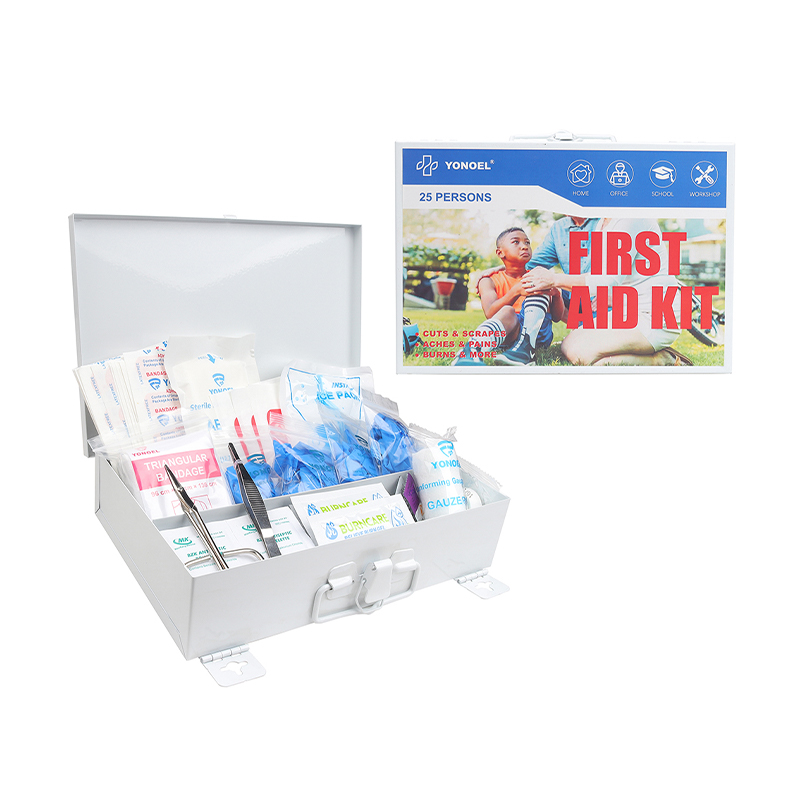
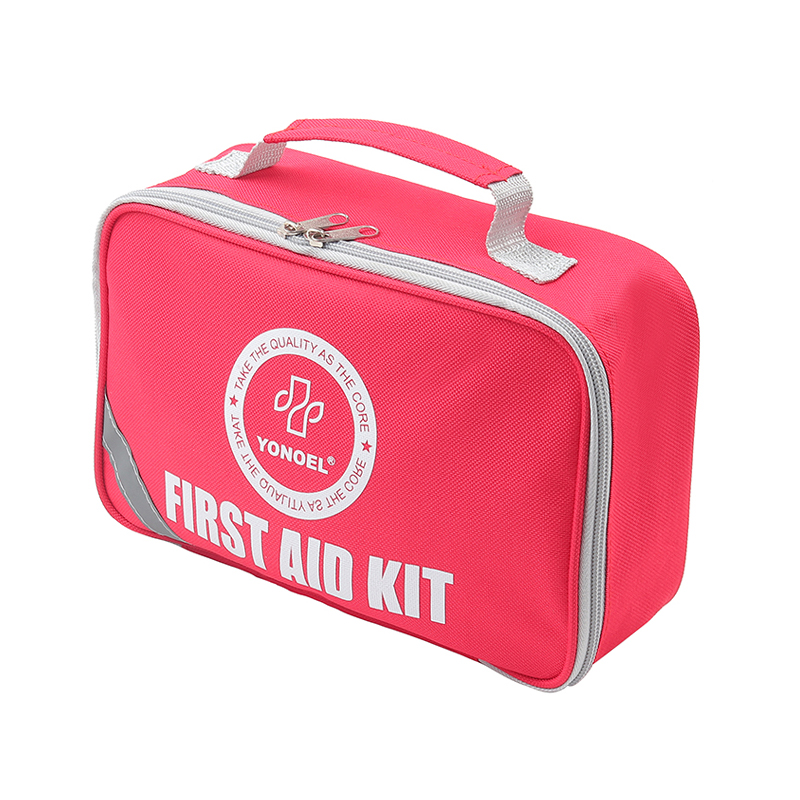
Picking the right one depends on how the person travels. Frequent flyers usually want something super slim that won't set off carry-on weight worries. Hikers or campers do better with a tougher, water-resistant case that can handle rain or dirt.
Look at how the inside is organized—clear pockets or labeled sections make it easy to find what you need fast. Skip kits that are stuffed with random extras; the good ones focus on basics like bandages, cleaning wipes, and pain meds.
Think about their usual trips. Beach people might love one with burn gel; mountain folks need more blister pads. If you know their plans, match the kit to that. A solid, no-frills design that's easy to use beats a fancy one that's confusing. That way they'll actually pull it out when something happens.
Start with a basic kit and tweak it for the person. Beach trips? Add extra aloe gel and lip balm with SPF. Cold destinations? Toss in hand warmers or a small moisturizer for dry air.
For families with little kids, swap in some fun, colorful bandages so treating a scrape doesn't turn into a meltdown. If they have allergies, add an extra pack of antihistamine. Solo travelers might appreciate a tiny whistle or space blanket for emergencies.
Keep things sorted—wound stuff in one pocket, pills in another. Label if you want. Take out anything they won't use to save space. A quick note taped inside listing what's there makes it even easier for them to grab the right thing.
These small changes turn a generic kit into something that really fits their trips, so they're more likely to use it and remember who gave it to them.
Put it somewhere you can grab it fast—like the front pocket of a backpack or right on top in your suitcase. That way you're not unpacking half your bag when you need a bandage.
For flights, keep liquids (creams, small bottles) in a clear zip bag to breeze through security. If the case has a clip or loop, hook it to a strap so it's handy during day outings.
After each trip, give it a quick check—restock anything used and wipe the outside clean. That keeps it fresh and ready for the next adventure without any last-minute panic.
Blisters from long walks on cobblestones or new boots get covered with cushioned pads. Sunburn after a beach day calms down with aloe. Bug bites in parks or near water stop itching with cream and a wipe.
Headaches from jet lag or dehydration ease up with a pain pill. Small cuts from luggage zippers or kitchen tools in Airbnb rentals clean and bandage quickly. Motion sickness on twisty roads or boats settles with the right tablet.
Minor sprains from stepping wrong on uneven ground wrap with an elastic bandage until you can rest. These kits take care of the everyday stuff that can otherwise ruin a day.
Before every trip, pop it open and look for anything missing, expired, or beat up. Bandages tear, wipes dry out, pills go out of date—replace them so nothing lets you down when you need it.
Keep it in a cool, dry spot at home (not a hot car trunk or steamy bathroom). After use, jot down what ran low and restock soon. A short list inside the case reminds you what belongs there.
A quick wipe of the outside keeps it looking decent. Takes five minutes and makes sure the kit is always trip-ready.
Wrap it in paper with little maps, airplanes, or suitcases for instant travel vibes. Tie a bright ribbon that matches their style. Add a luggage-tag-shaped card with a short note: “For safe travels—hope this comes in handy!”
Put it in a small drawstring pouch or canvas tote labeled “Adventure First Aid” for extra fun. Throw in a couple small extras like travel-size sanitizer or earplugs to make it feel complete.
Simple touches like these make opening it feel exciting and tied to the trip theme.
When choosing a compact gift first aid kit for travel, think about how the person usually travels, how small it needs to be, and whether the contents match the kinds of things that go wrong on their trips. Go for something sturdy with good organization so it's easy to use when it matters.
If you want a reliable option that's built for real travel, check out what Yonoel factory makes. They focus on compact first aid kits with tough cases and smart layouts that actually work on the road.
Yonoel keeps things practical—lightweight, well-organized, and designed so people can find what they need fast. Their kits make great gifts because travelers keep using them trip after trip without any fuss.
No. 52, Hulian West Street, Jiangbei Street, Dongyang City, Jinhua City, Zhejiang Province, China
Quick Links
Product Center
Contact Us
 PRIVACY

 English
 Deutsch
 Français
 русский
 Español