A compact first aid kit has to solve a practical problem: there is only so much room inside the case, yet the contents still need to remain accessible and useful. Making the case smaller can make it easier to carry and store, but reducing the available space also changes how supplies are selected, arranged, and handled.
This balance has become an important consideration in the way small emergency kits are designed and used. A kit that is packed too lightly may leave out items that could be useful for common minor injuries, while one that is filled without a clear arrangement can become difficult to open, search, and repack. The issue is therefore not simply how much can fit inside.
The relationship between space and use involves several connected factors. The size of individual supplies, the shape of the case, the way items are grouped, and the location where the kit is kept can all affect the experience of carrying and using it. Regular checking also matters because the internal arrangement can change after items are removed or replaced.
Looking at these factors together gives a clearer picture of how a compact kit can remain practical without becoming unnecessarily bulky.
Space affects nearly every decision made inside a compact kit. A case may appear large enough when it is empty, but individual supplies occupy different amounts of room. Some can be folded or stacked, while others need to retain their shape. This creates a basic packing challenge before the kit is even used.
A smaller case can be convenient for everyday storage because it takes up less room in a drawer, bag, vehicle compartment, or other storage area. At the same time, limited internal space leaves less freedom to add extra supplies later. Every item takes a portion of the available capacity.
There is also a difference between physical capacity and usable capacity. A case may technically have enough room for several items, but tightly filling every corner can make those items difficult to remove. Space around an item has a practical purpose because it allows the contents to be handled.
This is why compact design should not be viewed simply as reducing dimensions. The internal arrangement needs to leave enough room for the contents to remain identifiable and accessible.
Another consideration is repacking. After a kit has been opened, supplies may not return to exactly the same position. A layout that only works when everything is placed precisely can become inconvenient during repeated use.
The challenge, then, is to make limited space work without turning the inside of the case into a crowded container.
The contents of a compact kit depend on its intended setting and available room. Rather than trying to include every possible item, the contents generally need to be selected around common situations that the kit is expected to support.
Small wound-care supplies often take up relatively little space and can be grouped together. Other items may require more room because of their shape or packaging. The choice is therefore not only about whether an item is useful, but also whether its size fits the available storage area.
A practical selection can consider several basic questions:
The answers can change depending on whether the kit is kept at home, carried during travel, stored in a vehicle, or taken outdoors.
It is also useful to separate contents by their role rather than simply placing items wherever an empty space appears. For example, wound-related supplies can stay together instead of being scattered between unrelated contents. This makes the limited space easier to manage.
| Space consideration | Practical effect |
|---|---|
| Item size | Determines how much room remains for other supplies |
| Packaging shape | Affects how easily items can be placed together |
| Grouping | Makes contents easier to locate |
| Empty space | Allows items to be removed and returned |
| Refill space | Makes later restocking easier |
A compact kit does not need to contain a large number of supplies to be useful. The more important point is whether its contents match the intended use and remain manageable inside the available space.
Once the contents have been selected, arrangement becomes the next concern. A small case can quickly become difficult to manage when different supplies are placed together without a consistent order.
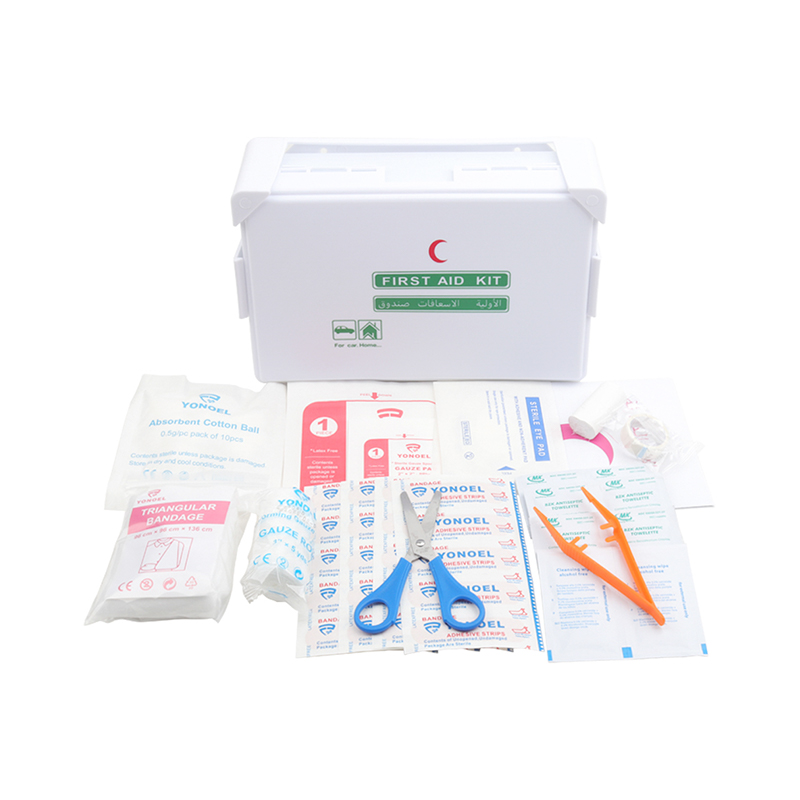
One simple approach is to group similar items. Supplies used for similar situations can occupy the same section, pocket, or area. This creates a visual pattern that makes the contents easier to recognize.
The arrangement should also take frequency of use into account. Items that are handled more often can have a more accessible position, while less frequently handled contents can remain deeper inside the case.
A compact interior can benefit from clear separation rather than excessive packing. Even a small amount of unused space between groups can make it easier to remove one item without disturbing everything around it.
The way supplies are returned after use matters as well. If the original position is easy to recognize, the kit can be restored without much effort. If there is no consistent arrangement, each use may leave the contents in a slightly different condition.
This is particularly relevant for a kit that moves between locations. A case carried in a backpack may be opened on an uneven surface, while one stored in a drawer may remain stationary for a long period. A simple internal layout can make both situations easier to manage.
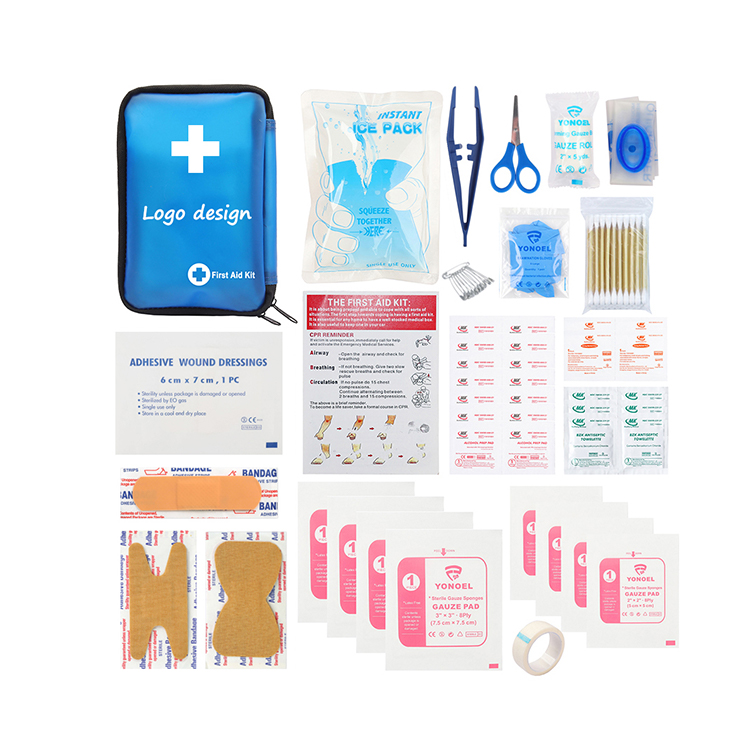
Not every item inside a kit needs the same level of accessibility. Some contents may be handled more often than others, so their position can influence how quickly the rest of the kit becomes disorganized.
Frequently handled supplies are generally easier to manage when they are visible or placed near an opening. This reduces the need to move several other items before reaching them.
Visibility is another important factor. If a small pouch contains several similar packages, it can take longer to identify the needed item. Separate sections or clear grouping can reduce unnecessary searching.
The idea is not to create a complicated internal system. In a compact case, too many compartments can sometimes divide the available space into small areas that are difficult to use. A straightforward layout can be easier to maintain.
A useful arrangement may follow a simple pattern:
This approach connects accessibility with organization. A kit can have enough room without being convenient if the contents are difficult to identify.
Adding more supplies may seem like a simple way to increase the usefulness of a kit, but excessive packing can create a different problem. When every available space is filled, individual items become harder to remove.
Overpacking can also make the case difficult to close properly. Contents may press against the opening or become trapped between other items. Repeatedly forcing the case closed can disturb the internal arrangement and make later access less convenient.
There is another issue: unnecessary contents can hide the supplies that are actually needed. A crowded case requires more searching, particularly when several items have similar packaging.
| Packing approach | Possible effect on use |
|---|---|
| Loose arrangement | Contents can move and become mixed |
| Tight packing | Items may be difficult to remove |
| Grouped packing | Similar supplies remain easier to identify |
| Excess contents | Important items may become harder to reach |
| Balanced packing | Space remains available for handling and replacement |
For a compact emergency kit, the objective is therefore not to fill every available gap. Some empty space can support easier handling, especially when supplies need to be removed and returned.
This also leaves room for minor changes over time. A kit may need to be restocked after use, and a completely full case offers little flexibility for replacement items.
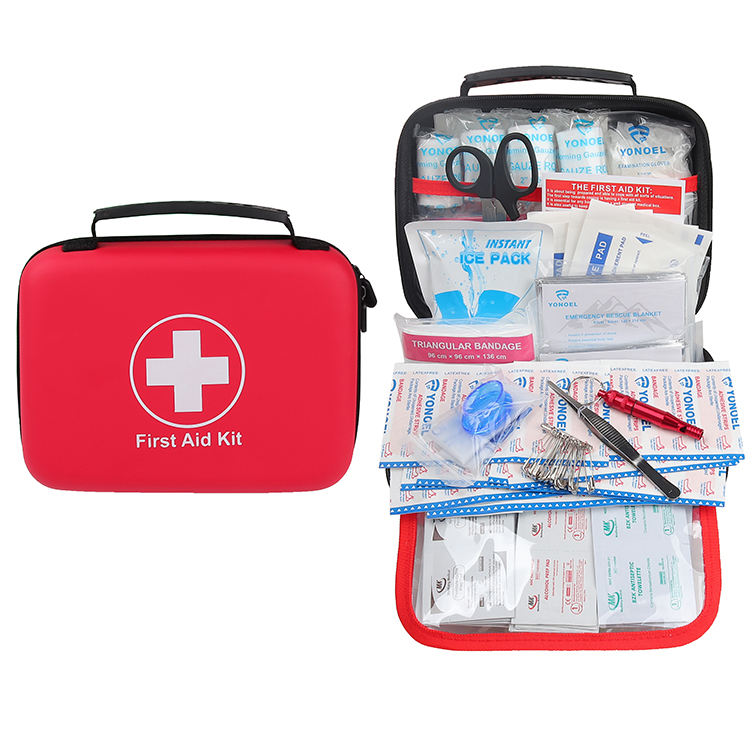
The case itself determines how efficiently internal space can be used. Two cases with similar external dimensions can provide different storage experiences because their shapes, openings, and internal sections may differ.
A wide opening can make it easier to see the contents, while a narrow opening may make the same internal volume harder to access. A case with several internal areas can separate supplies, but excessive division can also make some spaces too small for practical use.
The shape of the case matters when it is stored alongside other objects. A flat form may fit more easily into a drawer or bag, while a deeper shape may provide room for thicker contents. Neither approach suits every situation.
The closure also affects storage. A secure closure helps keep contents contained when the case is moved, but it should still allow the case to be opened without disturbing the rest of the contents.
Internal flexibility is another consideration. Fixed pockets can keep supplies in place, while flexible sections can accommodate items of different sizes. The appropriate arrangement depends on the contents rather than on the appearance of the empty case.
Good case design is therefore closely connected with everyday handling. The outer shape, opening, internal space, and closure all influence how the available room is actually used.
Storage location affects both accessibility and condition. A compact kit is often chosen because it can fit into places where a larger case would be inconvenient, but the location still needs to allow it to be reached when required.
At home, a dedicated and recognizable storage location can prevent the kit from being buried beneath unrelated objects. In a vehicle, the available compartment needs to allow the case to remain accessible without interfering with other stored items.
For travel or outdoor activities, the kit may spend more time inside a backpack or another portable container. In that situation, the case needs to remain easy to identify among other belongings.
The surrounding environment also matters. Excessive moisture, heat, dirt, or repeated crushing can affect the condition of the case and its contents. Storage should therefore take into account the conditions likely to be present at the chosen location.
A useful storage position generally has three characteristics:
The smaller size of a compact kit can make storage easier, but convenience depends on choosing a location before an urgent situation occurs.
A compact kit can change gradually through normal use. Once an item is removed, the remaining contents may shift into the empty space. If replacement supplies are added without reorganizing the case, the original layout can become less clear.
Regular checking provides an opportunity to look at both the contents and the arrangement. The purpose is not simply to count items. It is also to check whether supplies remain easy to identify, whether the case closes properly, and whether the internal organization still makes sense.
After use, several simple actions can help maintain the original layout:
Restocking can also reveal whether the original packing arrangement was practical. If replacing one small item repeatedly requires moving several others, the internal layout may need adjustment.
This ongoing process connects maintenance with the original goal of balancing space and use. A kit is not only a container that needs to hold its contents. It is a portable storage system that needs to remain understandable after being carried, opened, used, and reorganized.
For a Small Emergency First Aid Kit, that balance comes from making deliberate choices about contents, internal arrangement, case design, storage location, and ongoing organization rather than simply reducing the size of the package.
No. 52, Hulian West Street, Jiangbei Street, Dongyang City, Jinhua City, Zhejiang Province, China
Quick Links
Product Center
Contact Us
 PRIVACY

 English
 Deutsch
 Français
 русский
 Español