In many emergency settings, the small details inside a trauma kit matter more than the label on the pouch. The way items are grouped, packed, and checked can affect how a person reacts under pressure. For workplaces, vehicles, outdoor activity, and other demanding environments, buyers usually look past appearance and focus on whether the kit is practical in real use.
A Trauma First Aid Kit Supplier is not only putting items into a bag. The supplier is shaping how the kit is carried, opened, refilled, and used when time feels limited. That is why the contents, layout, and packaging often matter as much as the pouch itself.
A trauma kit is usually built around a few basic needs. The first is controlling bleeding. The next is covering wounds. After that comes helping the user keep the injured area stable until further care is available. The exact mix changes from one setting to another.
In a factory, for example, the kit may be arranged for quick access to dressings and other items used for cuts or crushing injuries. In outdoor use, size and weight often become more important. For vehicle storage, space is usually part of the decision as well.
The point is not to fill the pouch with as many items as possible. It is to place the right items where they can be reached without confusion. A Trauma First Aid Kit Supplier usually works from that idea when choosing contents.
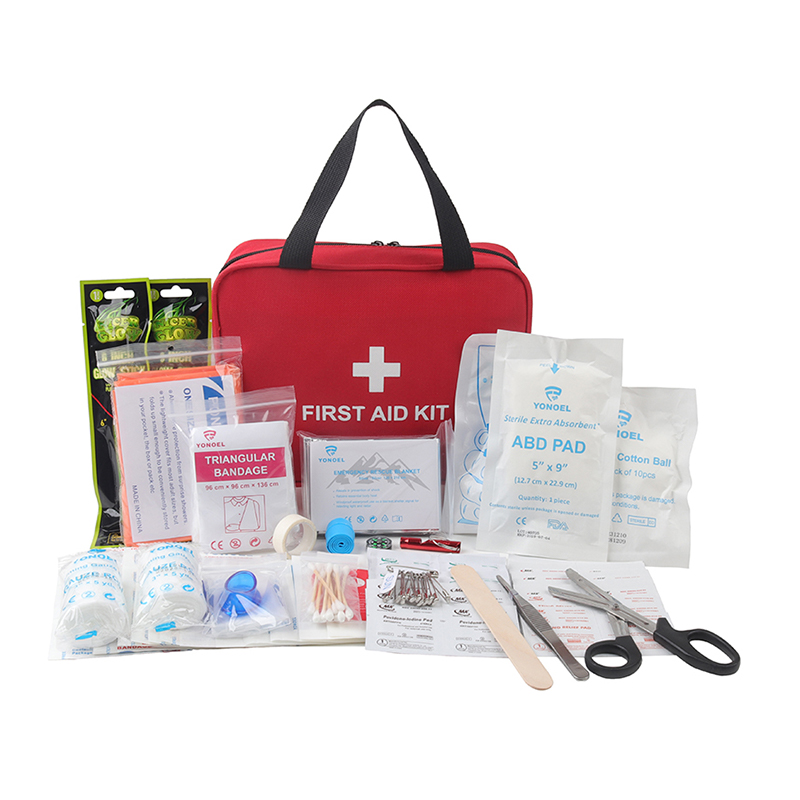
Common content choices often include:
When the kit matches the setting, users are less likely to waste time searching through parts they do not need. That kind of practical layout often matters more than appearance.
A modular layout makes the kit easier to read under stress. Instead of placing everything in one pile, the supplier separates items by function. That makes the pouch feel more orderly, and it also helps the user move faster.
In practice, this can mean one section for bleeding control, another for wound coverage, and another for smaller support items. Some kits use color cues. Others rely on pockets, straps, or inner sleeves. The format changes, but the idea stays the same.
| Layout style | How it is arranged | Typical use |
|---|---|---|
| Single compartment | All items stored together | Simple storage |
| Layered layout | Items placed in stacked sections | Moderate organization |
| Modular layout | Items grouped by use | Faster access |
A modular system also makes restocking easier. Missing items are easier to spot, and the user does not need to reorganize the whole kit after every check. That is useful in settings where the kit is reviewed often or shared by more than one person.
A Trauma First Aid Kit Supplier that pays attention to layout is usually thinking about real use, not just packaging. In urgent moments, that difference is noticeable.
Quality control starts before the kit is assembled. It begins with the pouch material, the internal stitching, the closure method, and the condition of each item that will go inside. If any part of that chain is weak, the whole kit becomes less dependable.
A careful supplier checks whether the pouch can handle repeated opening and closing. The internal structure should hold items in place rather than let them shift around. The contents also need to stay protected during storage and transport.
The process often includes a few basic checks:
A Trauma First Aid Kit Supplier that works with a consistent process usually has fewer surprises later. The kit arrives looking complete, but more importantly, it stays organized when stored and used in changing conditions.
There is also a practical side to quality control. A clean assembly process helps users trust the layout. If the contents are placed neatly and the pouch opens in a predictable way, the kit is easier to handle under pressure.
Customization is often where a kit becomes relevant to a specific buyer. A construction site does not need the same setup as a hiking group. A transport operator may look for something different again. That is why many buyers ask how far the contents and packaging can be adjusted.
The most common changes involve what goes inside the kit, how large the pouch is, and how the contents are arranged. Some buyers want a compact version. Others need a kit that is easier to inspect and refill. Some prefer a pouch that sits flat in a vehicle. Others want a carry format that can be attached to gear.
A Trauma First Aid Kit Supplier may adjust:
The main goal is to fit the kit into the way people already work. If the pouch is too large, it gets left behind. If the layout is too crowded, people hesitate when they need an item quickly. A reasonable custom setup avoids both problems.
Customization does not need to be complicated. Often, small changes create the clearest improvement.
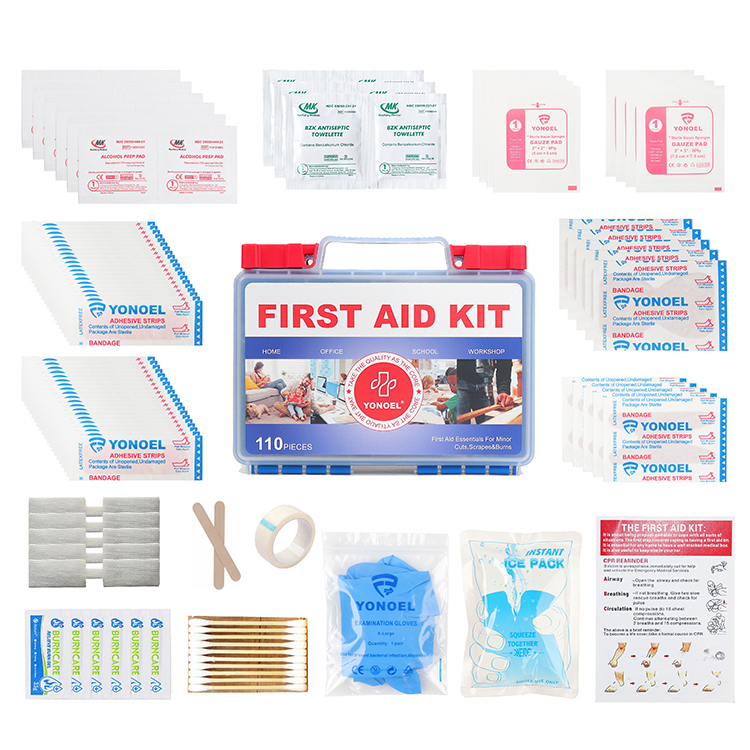
Packaging is often treated as a visual detail, but in urgent situations it behaves more like a working tool. If the pouch opens awkwardly or the inside is difficult to scan, the user loses time. That can be enough to make the kit feel difficult to use, even if the contents are adequate.
Good packaging supports simple movement. The opening should be easy to handle. The sections should not collapse into each other. The items should stay visible enough to reduce hesitation. These are small points, but they shape the full experience.
A supplier may improve accessibility by using:
For many buyers, the outside shape of the kit matters less than how it behaves in real use. A compact pouch is useful only when it still opens cleanly and keeps contents in order. A Trauma First Aid Kit Supplier that understands that balance usually focuses on function before appearance.
Long term cooperation depends on more than price. Buyers usually pay attention to whether the supplier can keep product structure stable, respond to requests clearly, and maintain the same packing logic over time. A kit that changes without warning creates friction for repeat buyers.
It also helps to look at communication style. Clear replies, sample handling, and steady packing habits often matter more than polished language. Buyers want to know whether the supplier can handle repeat orders without turning each one into a new project.
A Trauma First Aid Kit Supplier is often evaluated by a few practical questions:
For long term use, predictability is valuable. Buyers want to know that the same kit will arrive with the same logic, not a different structure each time. That is especially important when the kits are used by teams, not by one person alone.
A kit works better when people know where things are and how the layout is meant to be used. Even a well arranged pouch can feel confusing if the user opens it for the first time in a stressful moment. That is why guidance matters.
Some suppliers include simple instruction cards. Others provide layout notes, packing references, or usage reminders. The aim is not to turn the kit into a training course. It is to remove uncertainty at the moment the kit is opened.
A Trauma First Aid Kit Supplier may support usability through:
This kind of support is useful for employers, distributors, and team buyers. It helps people keep the kit in working order instead of treating it as a sealed item that is never checked.
When the layout is clear and the guidance is easy to follow, the kit becomes more practical in daily use. That is often what buyers are really looking for.
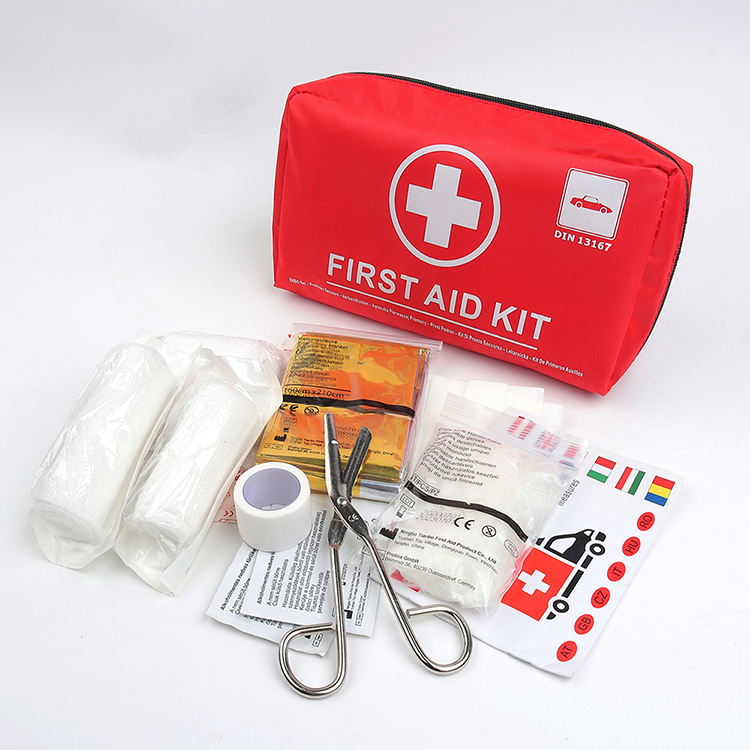
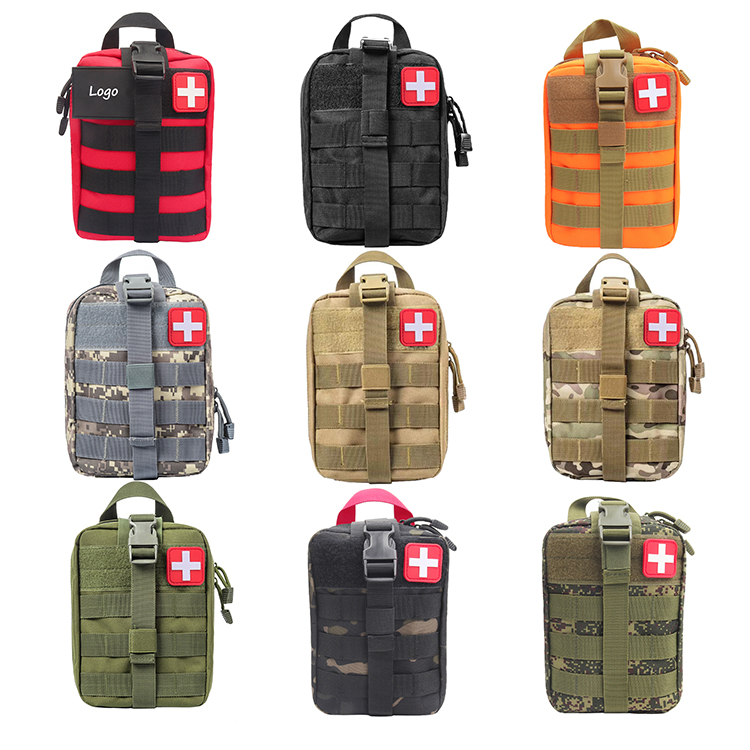
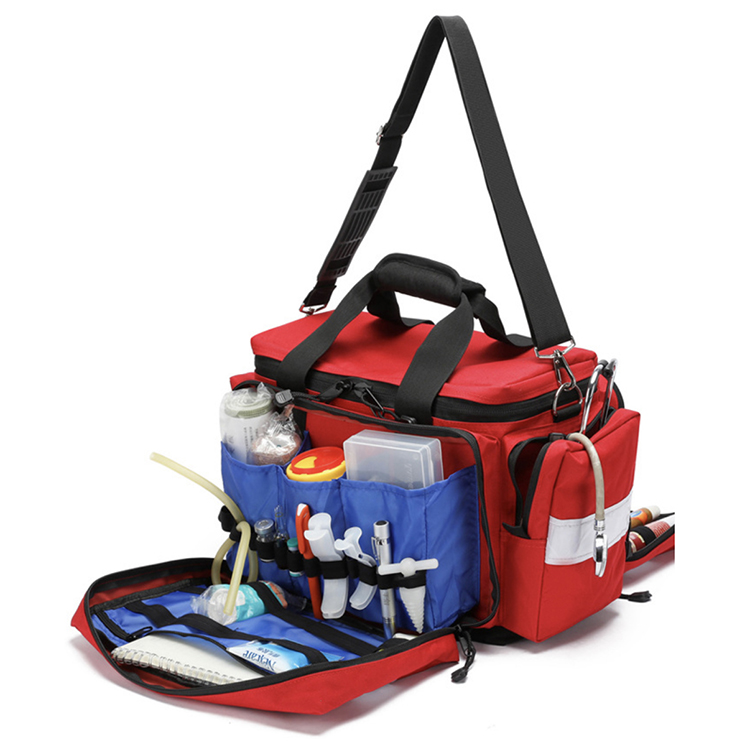
No. 52, Hulian West Street, Jiangbei Street, Dongyang City, Jinhua City, Zhejiang Province, China
Quick Links
Product Center
Contact Us
 PRIVACY

 English
 Deutsch
 Français
 русский
 Español