A gift first aid kit sounds simple at first, almost like a small box of essentials you might only think about once in a while. But once you start looking at how people actually use it in daily life, it becomes a bit more interesting. It is not just something placed in a drawer and forgotten. For many users, it quietly follows them through short trips, long drives, office hours, and even weekend plans that turn a bit unpredictable.
This is also why it has started to appear more often as a practical gift idea. It carries a sense of care without being overly formal, and it fits into situations where people usually do not think about preparation until they need it.
Before comparing designs or packaging, it helps to slow down and think about usage. A lot of people skip this part and end up with something that looks fine but does not match their daily routine.
Travel use and daily home use are not the same thing. Even though both involve similar situations, the way people interact with the kit changes a lot depending on where they are.
On the move, people usually want something they can grab quickly, carry easily, and understand without thinking too much. At home, the same person might prefer something slightly more organized, maybe even a bit more structured, since it stays in one place.
This simple difference already changes what a "good choice" means.
Travel has a way of exposing how practical something really is. You do not have time to rearrange items or search through complicated layouts when you are in a hurry or away from familiar surroundings.
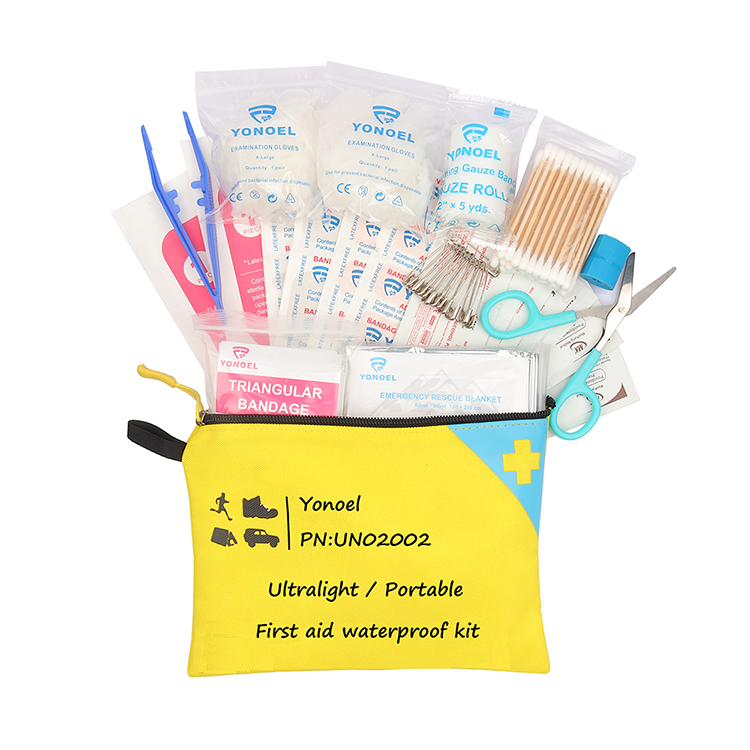
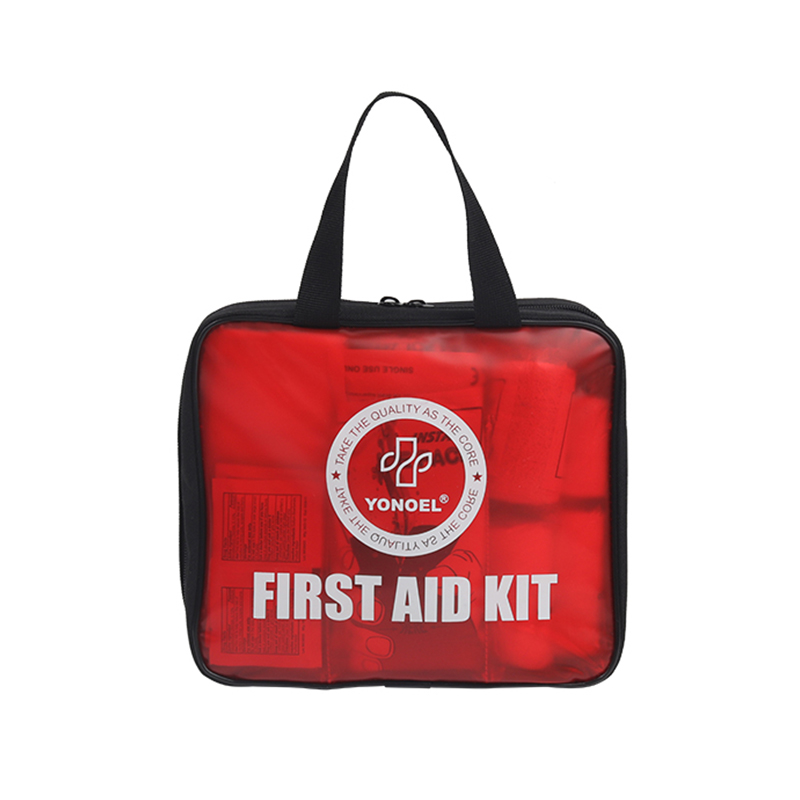
A travel-friendly kit usually feels light in behavior, not just in size. It does not slow you down, and it does not require instructions every time you open it.
Some people use it for road trips, others for hiking, short business travel, or even day outings that extend longer than planned. In all these cases, the kit should behave more like a companion than an object you have to manage.
A few things matter here more than anything else:
Travel use is less about quantity and more about smooth experience.
At home, things slow down a bit. You are not moving through airports or changing locations. Instead, the kit sits somewhere familiar, like a cabinet or shelf, waiting for small everyday moments.
That might sound less demanding, but it actually changes expectations in another way. At home, people expect things to be easy to recognize and simple to reach. Nobody wants to open multiple layers or search through mixed items during a small situation.
A home-based kit usually works better when it feels organized in a way that makes sense at first glance. Not overly complicated, just logical enough that anyone in the household can use it without needing instructions.
Families often prefer something that feels stable over time. Once it is placed, it should stay useful without constant adjustment.
Offices, classrooms, or shared community areas bring a different kind of expectation. Here, the kit is not for one person. It is for whoever needs it at that moment.
That means the design should not rely on familiarity. A person who has never seen it before should still be able to understand it quickly.
In these cases, clarity matters more than anything else. People do not have time to "figure it out." They just need to open it and see what is inside in a straightforward way.
So the focus shifts toward:
It is less about personal preference and more about universal usability.
Keeping a kit in a car is something many people consider, especially those who commute often or travel longer distances.
But a vehicle is not a stable environment like a shelf at home. Temperature changes, movement, and limited space all affect how a kit behaves over time.
So instead of thinking about size or appearance, it is more about stability and placement.
A good car setup usually:
In a car, simplicity becomes even more important than usual.
Most users do not look at technical details first. They look at whether the kit "makes sense" when opened.
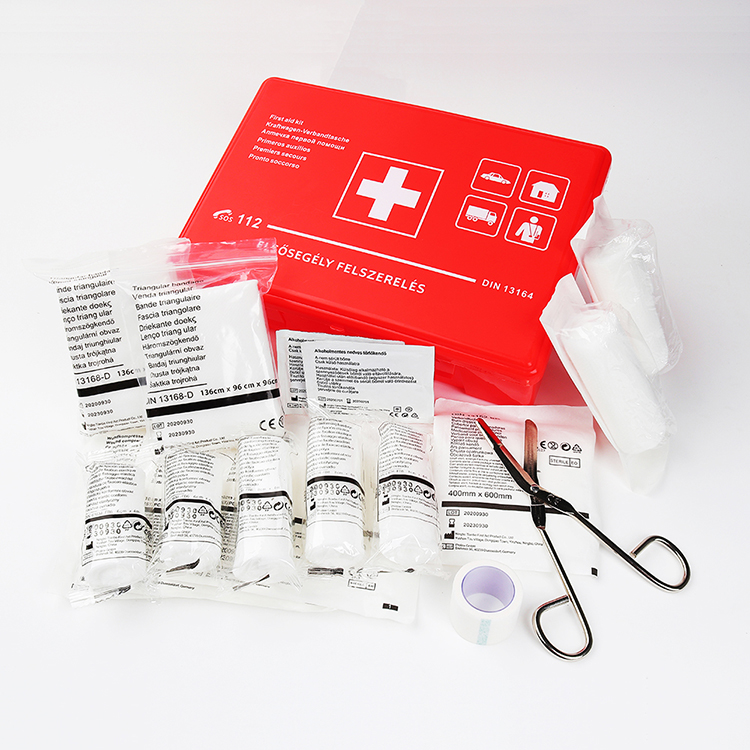
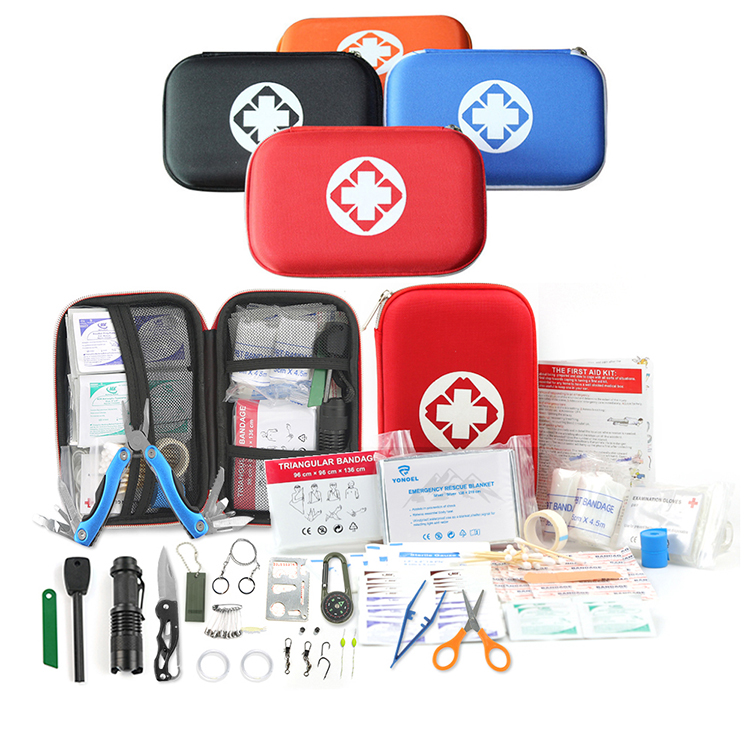
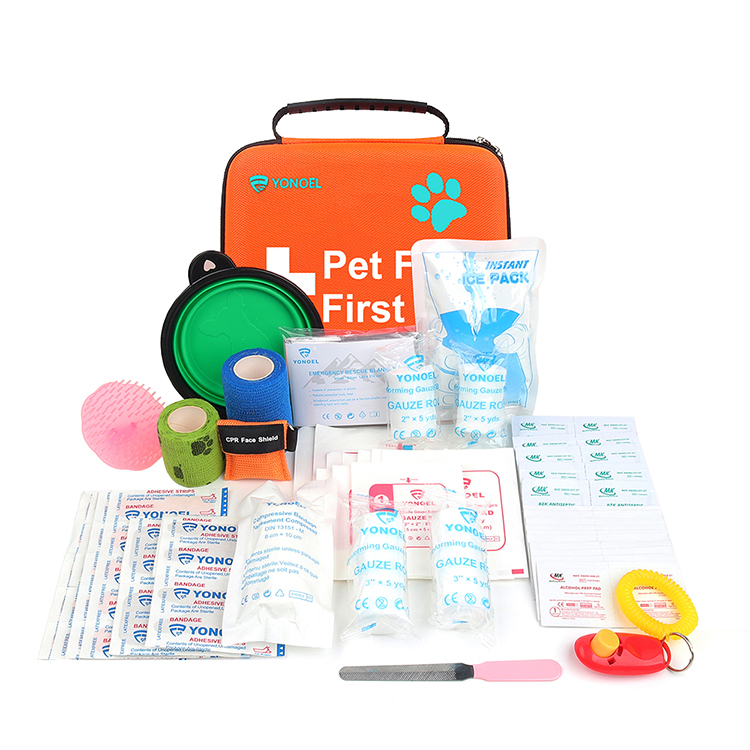
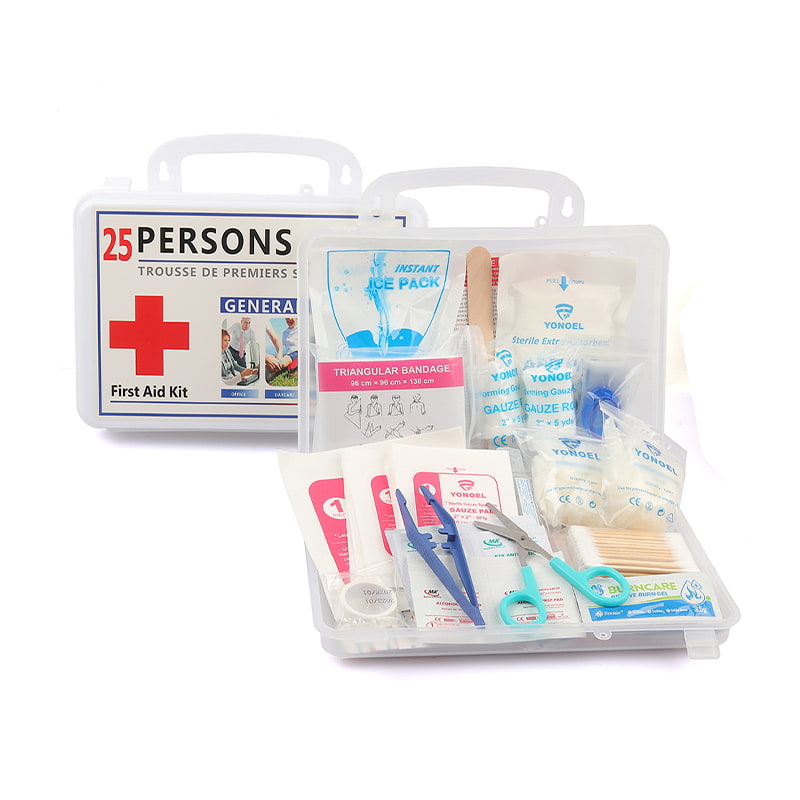
Inside, things are usually grouped in a way that follows basic everyday needs. Instead of focusing on exact components, it is more useful to think in terms of categories.
For example:
What matters is not how much is inside, but how naturally it is arranged.
A well-designed kit feels like it is already organized before you even touch it.
When a kit is given as a gift, presentation becomes part of the experience. Not in a decorative way, but in a "first impression that feels clean and intentional" kind of way.
People often decide within seconds whether something feels useful or not. If it looks chaotic or unclear, it may not get used properly later.
A good presentation usually feels:
This is where design and practicality meet in a subtle way.
A Simple Way to Compare Options
| Situation | What matters most | How people interact |
|---|---|---|
| Travel | Easy carry and quick access | Fast, on the move |
| Home | Order and clarity | Calm, occasional use |
| Shared space | Understandable layout | Different users |
| Car | Stability and placement | Limited access space |
It is actually quite common to choose a kit based on appearance alone. It looks neat, feels compact, and seems fine at first glance.
But later, some details start to matter more than expected.
For example:
These issues usually do not show up at the beginning. They appear later during real use.
Instead of focusing on "what looks good," it helps to think in a more grounded way:
Once these answers are clear, the selection becomes much easier.
From a production point of view, a kit is not just about putting items together. It is about making sure the structure behaves consistently when used in different conditions.
Manufacturers like Yonoelfirstaid often focus on:
The goal is not to make it complicated, but to keep it reliable in real-world handling.
More people are starting to think about small preparation habits in daily life. Not in a dramatic way, but in a quiet, practical sense.
Travel routines are more frequent. Work environments are more mobile. Families are more active outdoors. All of this naturally increases attention toward simple preparedness tools.
A gift first aid kit fits into this shift because it is:
It blends into daily life instead of standing apart from it.
Choosing a gift first aid kit is not really about finding something complex. It is more about matching it with real life situations.
Travel needs quick access and portability. Home use values clarity. Shared environments require simplicity. Vehicle storage depends on stability.
Once these patterns are understood, the decision stops feeling technical and becomes more intuitive.
And in the end, the most useful kit is usually not the one that looks impressive, but the one that quietly fits into everyday routines without making itself difficult to use.
No. 52, Hulian West Street, Jiangbei Street, Dongyang City, Jinhua City, Zhejiang Province, China
Quick Links
Product Center
Contact Us
 PRIVACY

 English
 Deutsch
 Français
 русский
 Español